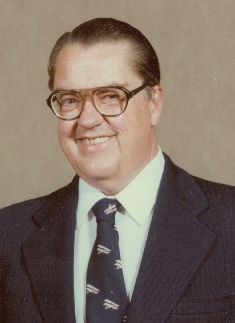
George J. Laurer Developed Universal Product Code
Yorktown Heights, Town of Yorktown, Westchester County, New York, United States
Technology
Engineering
Product Development
3 min read
Updated By: History Editorial Network (HEN)
Published:
Updated:
The Universal Product Code (UPC) was developed by IBM engineer George J. Laurer as a solution to the growing need for efficient inventory management and sales tracking in retail environments. The UPC is a barcode symbology that encodes product information in a machine-readable format, allowing for quick scanning at points of sale. This innovation was driven by the challenges faced by retailers in managing stock and processing transactions, particularly as the retail industry expanded and consumer goods became more diverse. The UPC consists of 12 numerical digits that uniquely identify a product, which can be scanned using optical scanners, significantly speeding up the checkout process and reducing human error in data entry.
The introduction of the UPC had a profound impact on the retail industry and supply chain management. It enabled retailers to automate inventory tracking, streamline operations, and improve customer service. The adoption of UPCs led to better data collection and analysis, allowing businesses to make informed decisions regarding inventory levels and product placement. Statistics indicate that the use of barcodes, including UPCs, has increased efficiency in retail operations, with some studies showing reductions in checkout times by up to 30%. The UPC system has since become a global standard, facilitating international trade and commerce by providing a consistent method for identifying products across different markets.
#mooflife
#MomentOfLife
#UniversalProductCode
#Upc
#GeorgeJ.Laurer
#RetailInnovation
#BarcodeTechnology

Explore the Life Moments of
 AI Twin