Halloween
Film
Horror
Analysis
3 min read
Updated By: History Editorial Network (HEN)
Published:
Updated:
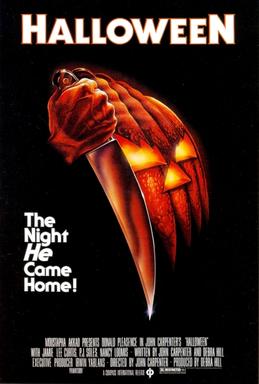
Halloween is a seminal horror film that ushered in the era of the slasher genre and established many of the tropes still used in horror today. Directed by John Carpenter and released in 1978, the story introduces Michael Myers, a masked killer who escapes from a psychiatric institution and returns to his hometown of Haddonfield, Illinois, to terrorize a group of unsuspecting teenagers. The film follows Laurie Strode, portrayed by Jamie Lee Curtis in her breakout role, as she becomes the relentless target of Myers’ silent, unstoppable wrath. With its eerie score, minimalistic style, and nerve-wracking suspense, Halloween quickly became a cult classic and a Halloween season staple.
What makes Halloween so enduring is its ability to create terror through simplicity. Michael Myers, with his emotionless mask and slow, deliberate movements, represents pure evil—an unstoppable force without motive or remorse. Carpenter’s use of perspective, shadow, and music builds an atmosphere of dread that lingers long after the credits roll. Beyond its scares, Halloween explores themes of innocence lost and the vulnerability of suburbia, making it not just a horror film, but a cultural phenomenon that continues to spawn sequels, reboots, and fan devotion decades later.
#HalloweenMovie #MichaelMyers #SlasherClassic #JohnCarpenter #FinalGirl #HorrorLegacy #MomentsOfLife #MoofLife_Moment #MoofLife
#mooflife
#MomentOfLife
#JordanPeele
#JohnCarpenter
#HorrorFilms
#GetOut
#Halloween
Primary Reference
Halloween

Explore the Life Moments of
 AI Twin