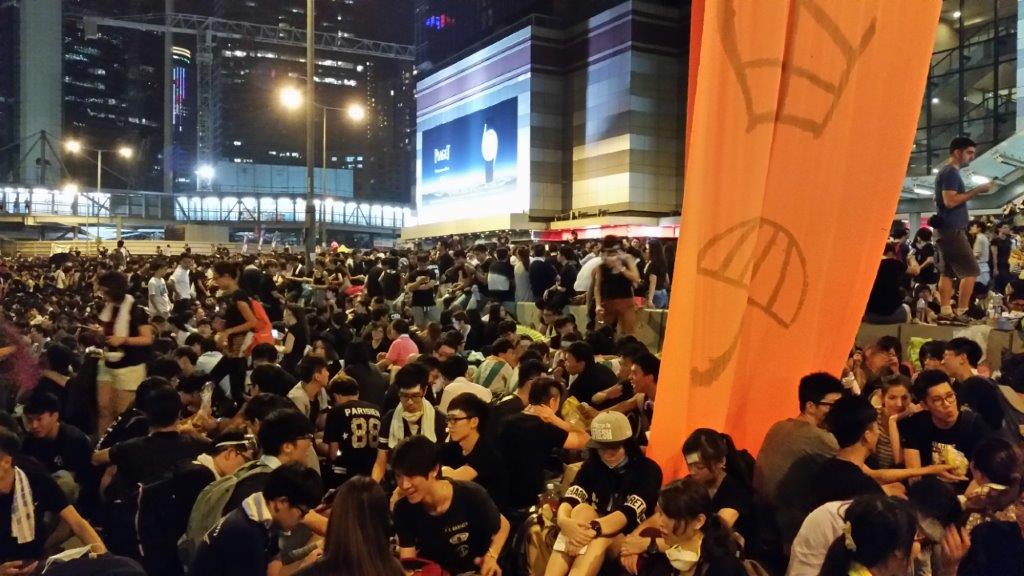
The Umbrella Revolution, a pro-democracy movement in Hong Kong
Politics
Social Movements
3 min read
Updated By: History Editorial Network (HEN)
Published:
Updated:
The Umbrella Revolution, which took place in 2014, was a significant pro-democracy movement in Hong Kong triggered by the central government's decision to implement nominee pre-screening for the chief executive elections. This decision was perceived as a direct infringement on the democratic rights of Hong Kong citizens, leading to widespread protests. The movement began in September 2014 and saw thousands of demonstrators occupying key areas of the city, including Admiralty, Mong Kok, and Causeway Bay, demanding genuine universal suffrage and the right to elect their leaders without interference from Beijing. The protests were characterized by the use of umbrellas as symbols of resistance against police pepper spray and tear gas, hence the name 'Umbrella Revolution.' Despite the peaceful nature of the protests, the government responded with a heavy police presence, leading to clashes and arrests. The movement highlighted the growing discontent among Hong Kong residents regarding their political autonomy and the influence of the Chinese central government. Although the protests did not achieve their immediate goals, they sparked a broader conversation about democracy and governance in Hong Kong, influencing future political developments and activism in the region. #mooflife #mof #MomentOfLife #UmbrellaRevolution #HongKongProtests #Democracy #UniversalSuffrage #PoliticalActivism
Primary Reference
Umbrella Movement

Explore the Life Moments of
 AI Twin