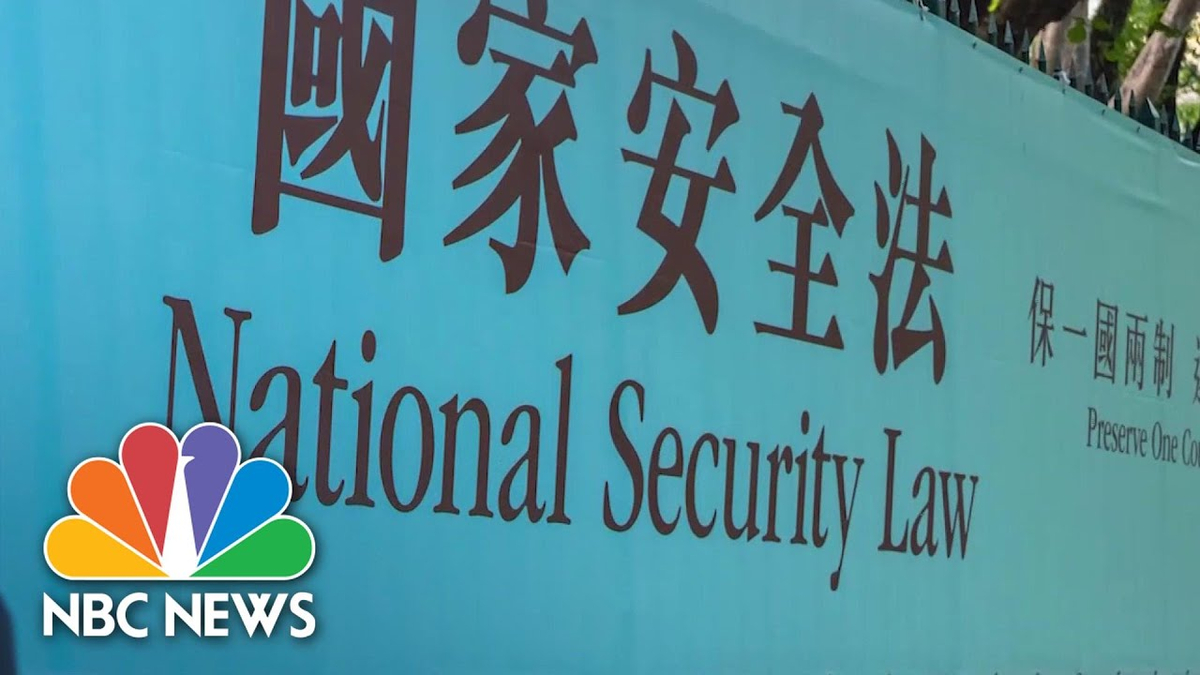
Harsh Penalties, Vaguely Defined Crimes: Hong Kong's Security Law Explained

Political
Law
3 min read
Updated By: History Editorial Network (HEN)
Published:
Updated:
On June 30, 2020, the Chinese government implemented a controversial national security law in Hong Kong, which has since drawn widespread criticism and concern. The law introduces severe penalties for vaguely defined crimes such as secession, subversion, terrorism, and collusion with foreign forces. Critics argue that the broad and ambiguous language of the law allows for arbitrary enforcement, potentially criminalizing a wide range of political dissent and activism. This has raised alarms about the erosion of freedoms and legal protections that Hong Kong residents previously enjoyed under the 'one country, two systems' framework. The law has led to a chilling effect on free speech, with many activists and journalists facing increased scrutiny and potential prosecution. As a result, the international community has expressed deep concern over the implications of this law for human rights and the rule of law in Hong Kong, prompting calls for accountability and a reassessment of diplomatic relations with China. The situation remains fluid, with ongoing protests and legal challenges as residents navigate the new legal landscape. #mooflife #mof #MomentOfLife #HongKong #SecurityLaw #HumanRights #PoliticalDissent #China
Primary Reference
2020 Hong Kong national security law

Explore the Life Moments of
 AI Twin