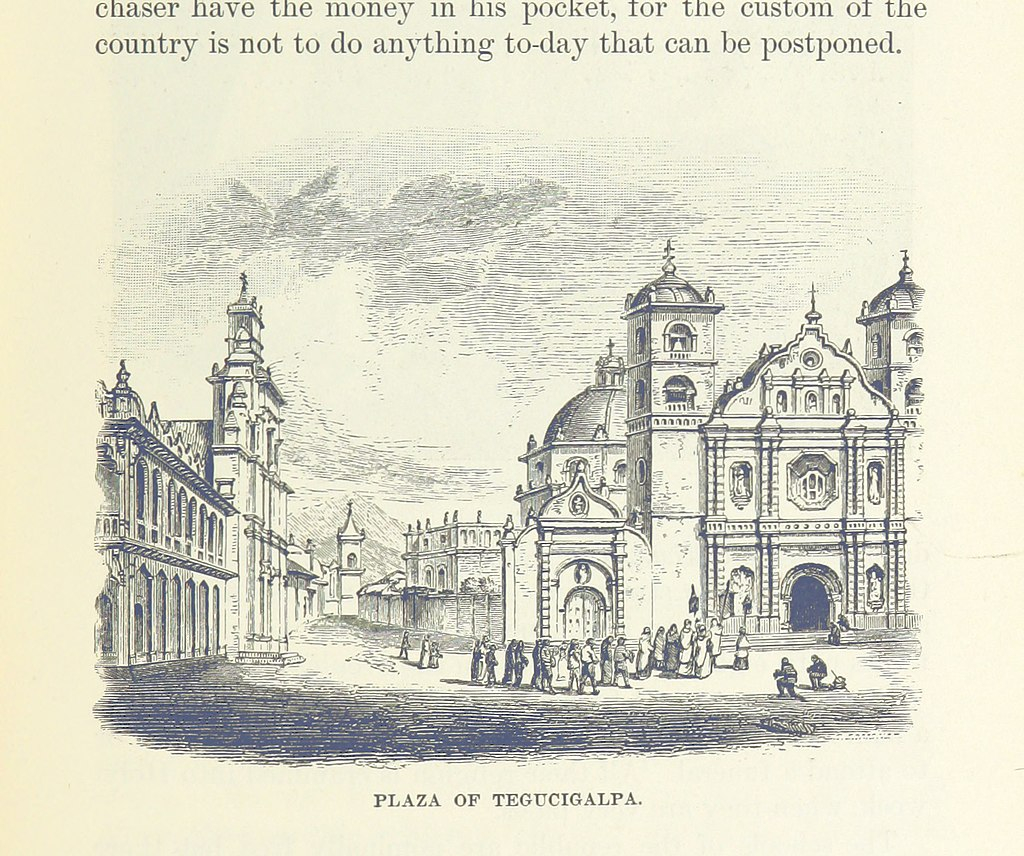
Settlement of Tegucigalpa by Spanish authorities
Honduras

Cultural
3 min read
Updated By: History Editorial Network (HEN)
Published:
After many disputes over the mineral-rich lands, the Spanish Crown decided to establish a settlement in the hilly region of central Honduras, founding the city of Tegucigalpa. This strategic location was chosen for its abundant silver and gold mines, which promised significant economic benefits for the Spanish authorities.
The new city quickly attracted settlers looking to capitalize on the mining opportunities. With the arrival of Spanish colonizers, the local indigenous population faced challenges as their lands were taken over and their way of life disrupted. Despite resistance from some indigenous groups, the Spanish authorities successfully established their presence in the region.
Over the years, Tegucigalpa grew into a hub of colonial activity, becoming an important administrative center and hub for trade. The city's population continued to expand as more colonizers arrived, leading to the development of a diverse and vibrant community.
The establishment of Tegucigalpa had a lasting impact on the region, shaping its history and cultural identity. The city's rich colonial heritage can still be seen today in its architecture, traditions, and customs. It remains a symbol of Honduras' complex history, reflecting the legacy of Spanish colonization in the Americas.
#Tegucigalpa #SpanishColonization #HonduranHistory

Explore the Life Moments of
 AI Twin