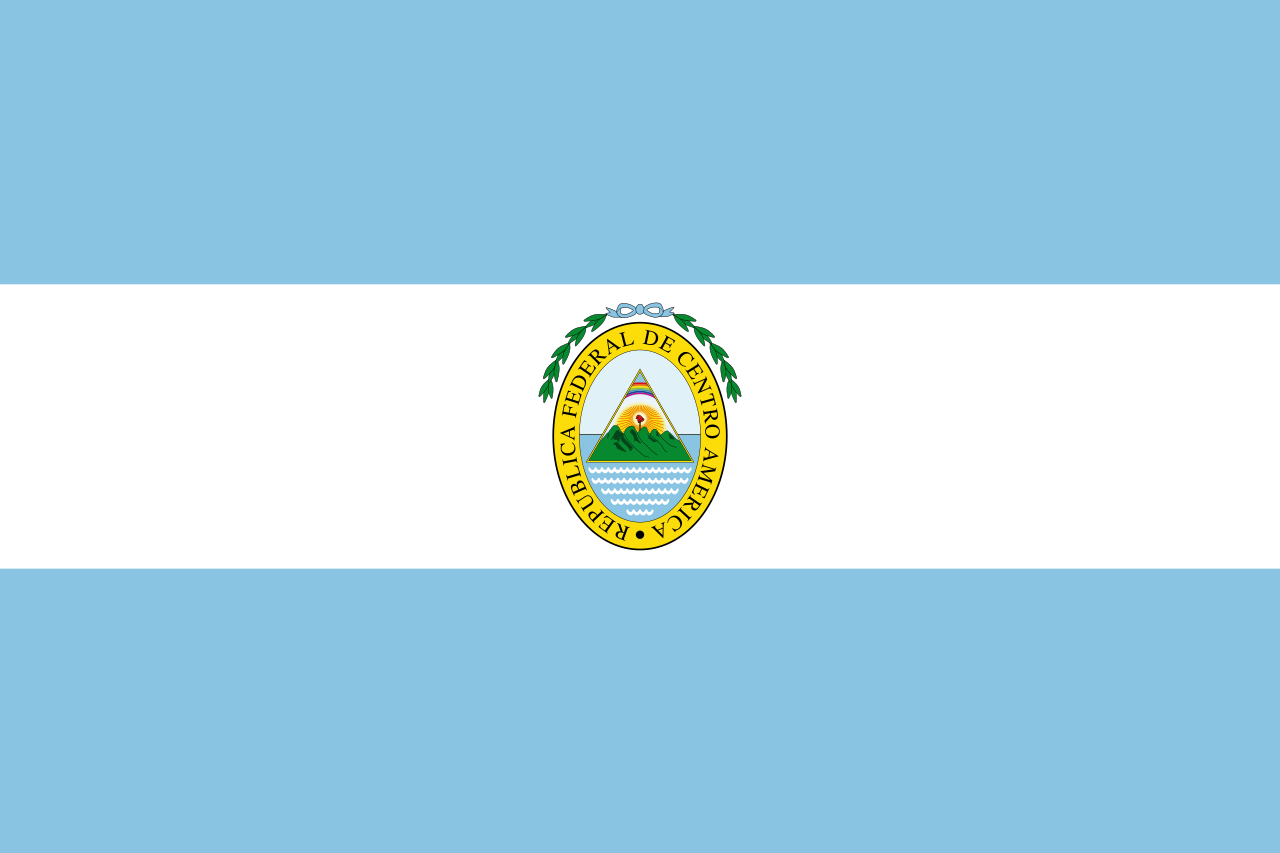
Integration into Central American Federation
Honduras

Political
4 min read
Updated By: History Editorial Network (HEN)
Published:
In early 1823, Honduras seized the opportunity to merge with neighboring countries, forming the Central American Federation. The union was a response to political instability, economic challenges, and the desire for stronger regional cooperation in the aftermath of Spanish colonial rule.
The joining of Honduras with the Federation aimed to foster economic growth through trade facilitation and to consolidate military strength for defense against external threats. It also provided a platform for the promotion of cultural exchange and the sharing of resources among member states.
However, the Federation's structure faced challenges due to regional rivalries and differing interests among its members. Disputes over power-sharing and economic policies ultimately led to the dissolution of the Federation a few years later, after a brief period of existence.
Despite its short lifespan, the Central American Federation marked a significant chapter in Honduras' history, showcasing the country's commitment to regional unity and cooperation in the face of shared challenges.
The integration into the Federation opened up avenues for Honduras to engage in diplomatic relations with other Central American nations, laying the foundation for future alliances and collaborations. It also provided valuable lessons on the importance of balancing national interests with regional solidarity.
Ultimately, the experience of being part of the Central American Federation underscored the complexities of governance and the delicate balance required to sustain a multi-nation union.
#HondurasHistory #CentralAmericanFederation #RegionalUnity

Explore the Life Moments of
 AI Twin