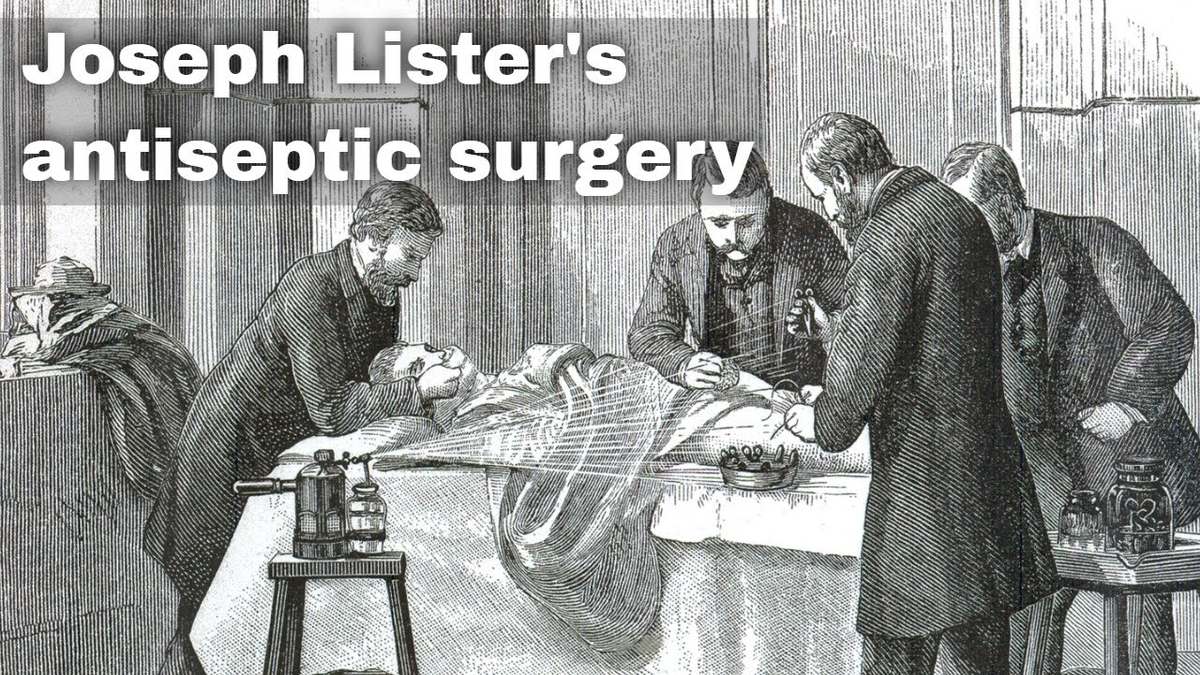
Introduction of Antisepsis in Wound Treatment
Scotland, United Kingdom
Health
Medicine
3 min read
Updated By: History Editorial Network (HEN)
Published:
Updated:
The introduction of antisepsis in wound treatment marked a pivotal advancement in medical practices, primarily driven by the work of British surgeon Joseph Lister. Prior to Lister's contributions, surgical procedures were often marred by high rates of infection, leading to significant morbidity and mortality among patients. The prevailing belief was that infections were a natural consequence of surgery, with little understanding of the role of bacteria in these complications. Lister, influenced by the germ theory of disease proposed by contemporaries such as Louis Pasteur and Robert Koch, recognized the need for a systematic approach to prevent infections during surgical procedures. He implemented the use of carbolic acid as an antiseptic agent, which significantly reduced the incidence of postoperative infections. This approach not only improved patient outcomes but also transformed surgical practices, leading to the widespread adoption of antiseptic techniques in hospitals and clinics.
#mooflife
#MomentOfLife
#Antisepsis
#WoundTreatment
#JosephLister
#InfectionControl
#SurgicalPractices
Primary Reference
Joseph Lister

Explore the Life Moments of
 AI Twin