Ford's Testimony to U.S. Senate Committee

| Politics | Testimony | Ford | Senate |
Updated By: History Editorial Network (HEN)
Published: | Updated:
4 min read
Ford's testimony before the U.S. Senate Foreign Relations Committee marked a notable moment in the ongoing discourse surrounding Tibet and its quest for autonomy. His support for the Dalai Lama and an independent Tibet underscored the importance of human rights and self-determination in international relations. The Dalai Lama, as the spiritual leader of Tibetan Buddhism, has long been a symbol of the Tibetan struggle against Chinese rule. Ford's advocacy highlighted the U.S. government's role in addressing human rights issues globally, particularly in regions facing oppression. The testimony served to elevate the conversation about Tibet within U.S. foreign policy, emphasizing the need for diplomatic engagement and support for those advocating for freedom and autonomy.
The impact of Ford's testimony extended beyond the immediate political landscape. It contributed to a growing awareness of the Tibetan cause among American citizens and lawmakers. By aligning himself with the Dalai Lama, Ford helped to galvanize support for Tibet, encouraging further discussions on the importance of human rights in U.S. foreign policy. This event also reflected a broader trend of increasing attention to the plight of oppressed groups worldwide, as well as the role of influential figures in shaping public opinion and policy. The testimony was part of a larger narrative that included various advocacy efforts aimed at promoting Tibetan rights and autonomy, which continue to resonate in contemporary discussions about human rights and international relations.
Primary Reference: Harrison Ford
Location : United States
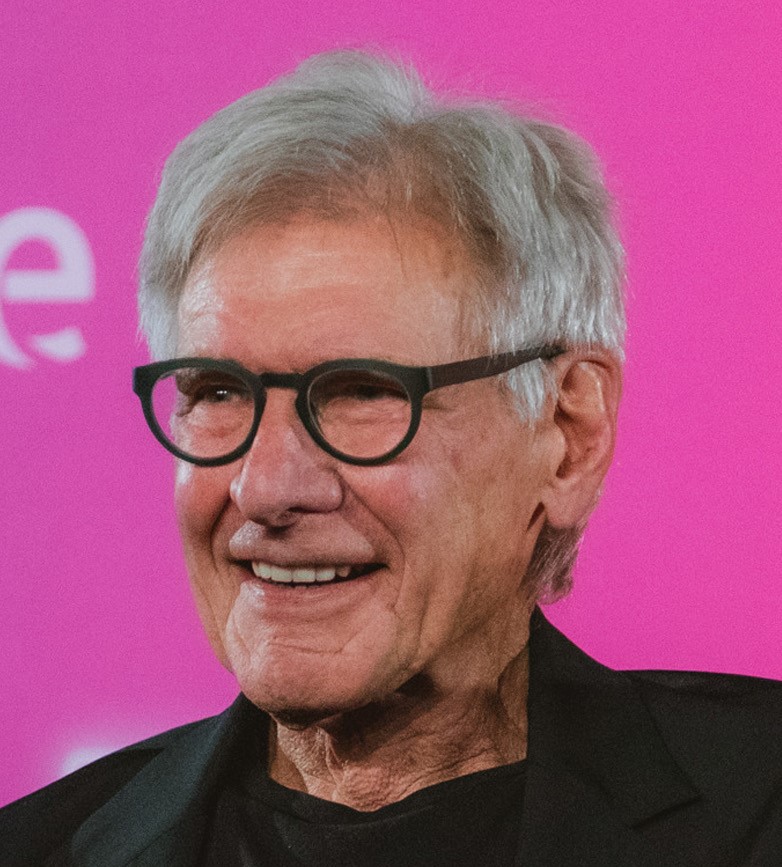
Explore the Life Moments of Harrison Ford | 