Samudragupta's Religious and Cultural Contributions
India
Ancient Indian History
Gupta Empire
Cultural Heritage
4 min read
Updated By: History Editorial Network (HEN)
Published:
Updated:
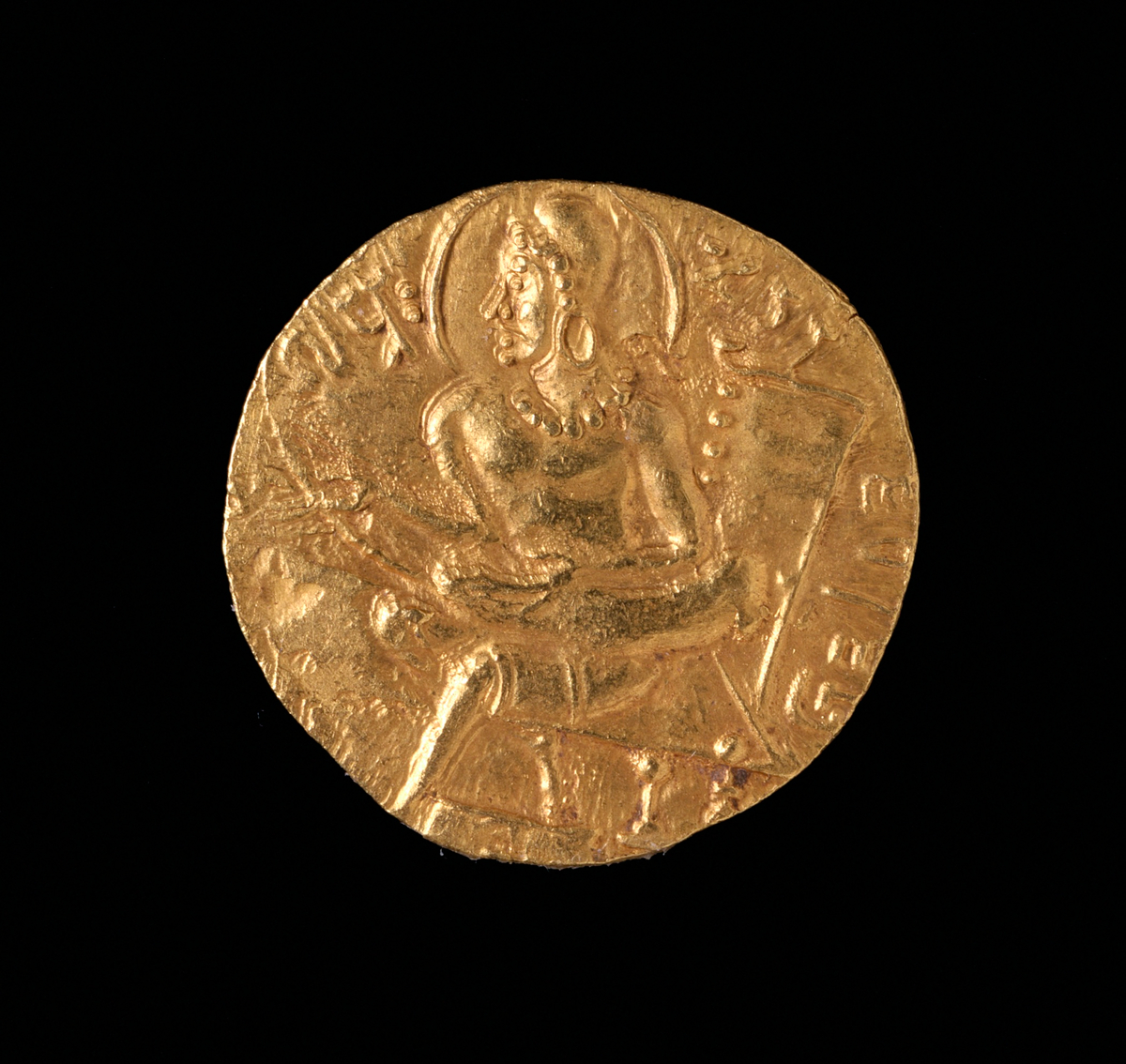
Samudragupta, a prominent ruler of the Gupta Empire, is recognized for his substantial contributions to religion and culture. His alignment with Vaishnavism is evidenced by inscriptions, particularly the Eran inscription, which highlights his dedication to Brahmanical traditions. He is noted for his generous donations, including cows and gold, which were significant in the context of ancient Indian society, where such gifts were often associated with piety and royal authority. One of his most notable religious acts was the performance of the Ashvamedha ritual, a horse sacrifice that symbolized imperial sovereignty. This ritual not only reinforced his status as a ruler but also served as a means to assert his dominance over rival kingdoms. To commemorate this event, he issued gold coins, which became a medium of propaganda and a reflection of his power and influence.
The Allahabad Pillar inscription further illustrates Samudragupta's multifaceted character, portraying him as a wise and strict administrator who was also compassionate towards the less fortunate. This duality in his governance style contributed to his popularity among his subjects. Additionally, the inscription acknowledges his artistic talents, referring to him as the 'king of poets' and highlighting his skills as a musician. The gold coins issued during his reign often depicted him playing a veena, reinforcing his cultural contributions. These artistic representations not only served as a testament to his patronage of the arts but also played a role in the cultural identity of the Gupta period, which is often regarded as a golden age of Indian civilization.
#mooflife
#MomentOfLife
#Samudragupta
#GuptaEmpire
#Ashvamedha
#Vaishnavism
#CulturalContributions

Explore the Life Moments of
 AI Twin