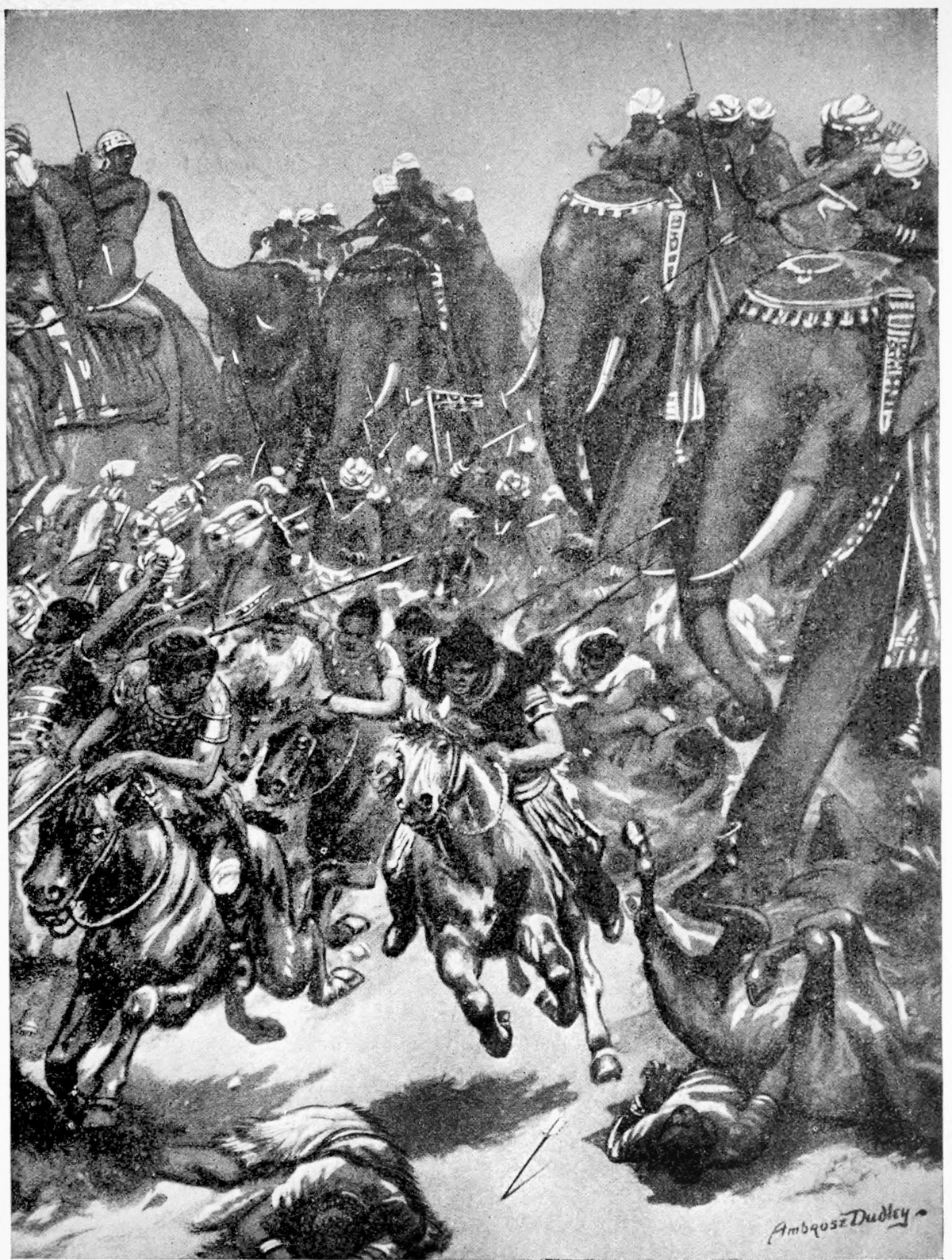
Huns Driven Out of India
India
Historical Events
Ancient Civilizations
Indian History
3 min read
Updated By: History Editorial Network (HEN)
Published:
Updated:
The Huns, a nomadic group from Central Asia, posed a significant threat to the Indian subcontinent during their incursions. Their invasions disrupted the existing political structures and led to widespread instability. The Gupta Empire, which had been a dominant power in India, faced considerable challenges due to the Hunnic invasions. Despite a decline in their own power, the Guptas continued to resist the Huns. Notably, Bhanugupta, a Gupta ruler, achieved a victory against the Hun leader Toramana, marking a crucial point in the struggle against these invaders. This resistance was pivotal in maintaining some level of stability in the region amidst the chaos caused by the Huns.
The decisive defeat of the Huns came when King Yashodharman of Malwa, possibly in alliance with Gupta emperor Narasimhagupta, launched a successful campaign against them. This military action resulted in the expulsion of the Huns from India, effectively ending their threat to the subcontinent. The defeat of the Huns had a lasting impact on the political landscape of India, allowing the Gupta Empire to regain some of its former strength and influence. The expulsion of the Huns also facilitated a period of cultural and economic revival in the region, as stability returned and trade routes reopened. The events surrounding the Huns' defeat underscore the resilience of Indian kingdoms in the face of external threats and their ability to unite against common adversaries.
#mooflife
#MomentOfLife
#Huns
#India
#Yashodharman
#GuptaEmpire
#HistoricalInvasions

Explore the Life Moments of
 AI Twin