Historical Significance of Ayodhya and Awadh
India
Culture
Geography
3 min read
Updated By: History Editorial Network (HEN)
Published:
Updated:
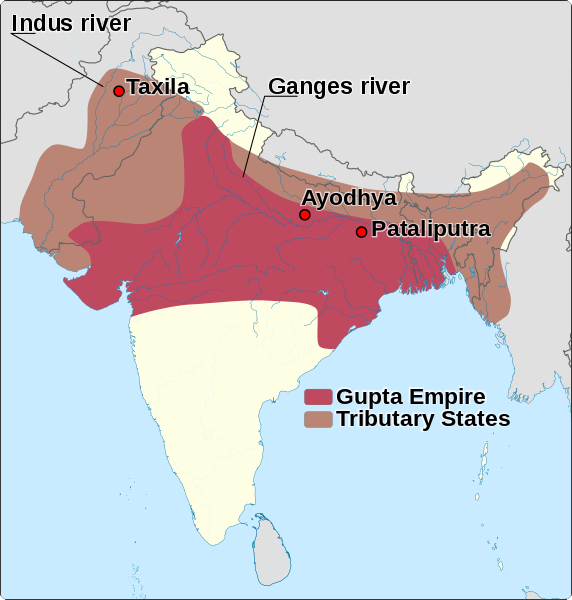
Ayodhya, a city with deep historical roots, has been a significant center of culture and politics in India. Originally, the Gupta Empire's capital was located in Prayag, but it was later moved to Ayodhya during the reign of either Kumaragupta or Skandagupta. This transition marked a pivotal moment in the urban development of the region, as Ayodhya became a focal point for administration and governance. The Gupta period is often noted for its advancements in various fields, including art, science, and literature, which flourished in urban centers like Ayodhya. The city's strategic location and its association with various religious traditions contributed to its prominence, making it a melting pot of diverse cultures and ideas.
The impact of Ayodhya's status as a capital extended beyond mere governance; it played a crucial role in shaping the socio-political landscape of the region. The move to Ayodhya facilitated the growth of trade and commerce, as the city became a hub for merchants and travelers. This economic activity was supported by the Gupta administration, which implemented policies that encouraged urbanization and infrastructure development. Furthermore, Ayodhya's significance is underscored by its association with Hindu mythology and its status as a pilgrimage site, which continues to attract visitors. The historical importance of Ayodhya and the Awadh region is evident in its enduring legacy, influencing contemporary cultural and religious practices in India.
#mooflife
#MomentOfLife
#Ayodhya
#GuptaEmpire
#UrbanDevelopment
#CulturalSignificance
#HistoricalImpact

Explore the Life Moments of
 AI Twin