Ebola outbreak in West Africa classified as global health emergency.
Guinea
Global Health
Emergency Response
5 min read
Updated By: History Editorial Network (HEN)
Published:
The World Health Organization (WHO) declared Ebola in West Africa an international public health emergency, a critical acknowledgment of the dire situation in the region. This declaration brought global attention to the outbreak that had been spreading rapidly, particularly in Guinea, Liberia, and Sierra Leone. Ebola virus disease (EVD), characterized by severe fever, vomiting, diarrhea, and internal bleeding, has an average fatality rate of about 50%, though it can rise to 90% in some epidemics.
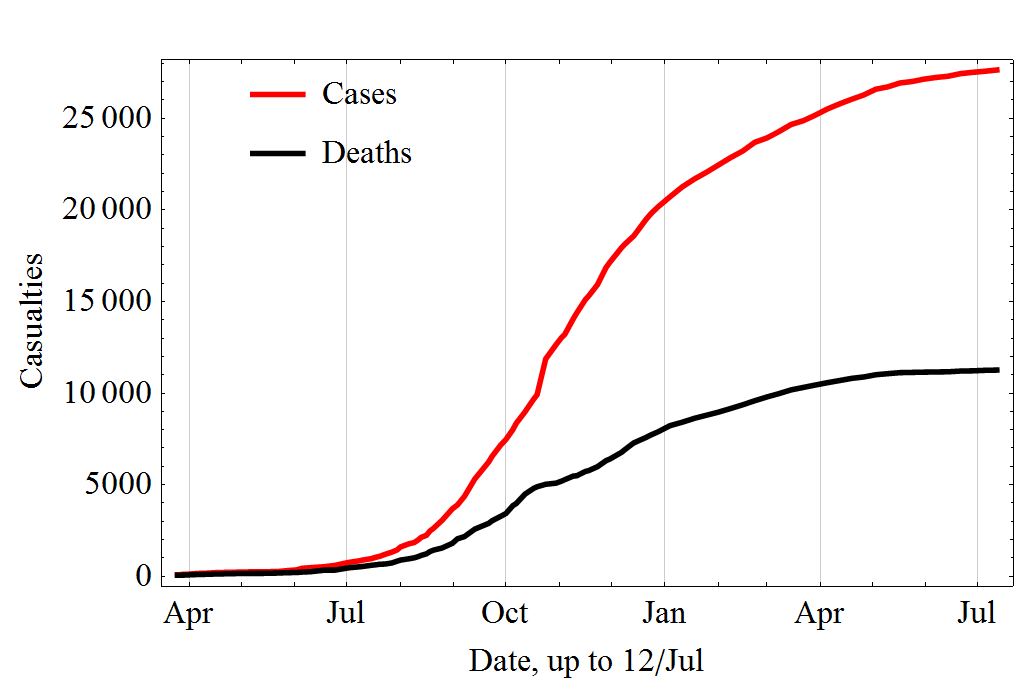
Epidemiologists and public health experts had been monitoring the West African outbreak since its initial reports. The WHO's announcement came because of the unprecedented scale and impact that this outbreak had, both in terms of the number of cases and the geographical spread. By the time of the declaration, there were more than 1,700 confirmed and suspected cases, with over 930 deaths reported. The health systems in the affected countries, particularly Guinea, were struggling under the strain, grappling with inadequate infrastructure, insufficient healthcare personnel, and limited resources.
The international public health emergency status prompted an escalation in global response efforts. This included increased funding, deployment of medical staff, and resources to the hard-hit regions. International organizations like Médecins Sans Frontières (Doctors Without Borders) were already deeply entrenched in their efforts to mitigate the outbreak, but the WHO’s call to action significantly expanded the scope and scale of intervention. Border controls and monitoring were enhanced, and the development of vaccines and treatments was expedited in response to the growing crisis.
For Guinea, this period marked a profound challenge as it worked alongside global partners to contain the virus. The outbreak affected not only public health but also had significant socio-economic impacts on the region. Schools were closed, markets deserted, and normal life disrupted. The fear of contagion permeated throughout communities, and misinformation often exacerbated the situation.
These concerted efforts eventually led to a decline in new Ebola cases. However, the ordeal highlighted the crucial need for robust healthcare systems, effective international cooperation, and emergency preparedness to manage and mitigate future outbreaks.
#EbolaCrisis #PublicHealth #Guinea #GlobalResponse #MoofLife
Primary Reference
Epidemiological update: outbreak of Ebola Virus Disease in West ...

Explore the Life Moments of
 AI Twin