The Santa Marta Earthquakes Strike Colonial Guatemala
Guatemala
Urban Development
Natural Disasters
Geography
3 min read
Updated By: History Editorial Network (HEN)
Published:
Updated:
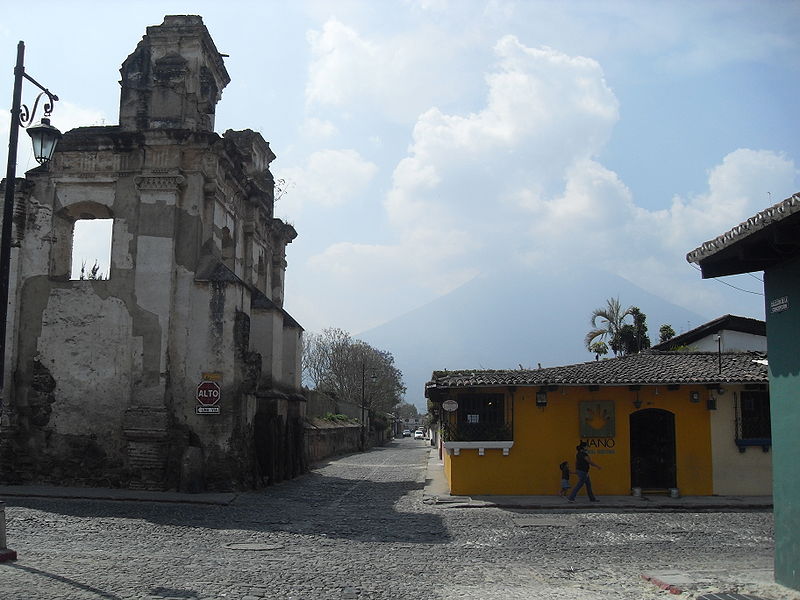
The city of Antigua, once the capital of Guatemala, faced a catastrophic series of earthquakes between 1773 and 1774 that led to its destruction. These natural disasters caused significant damage to the city's infrastructure and prompted the Spanish Crown to take decisive action. In response to the devastation, the King of Spain authorized the relocation of the capital to a more stable area in the Ermita Valley, which is named after the Catholic church dedicated to the Virgen del Carmen. This new capital was officially founded on January 2, 1776.
The decision to move the capital was not only a response to the immediate dangers posed by earthquakes but also a strategic move to ensure the safety and stability of the government and its citizens. Today, the original site of Antigua is recognized as a UNESCO World Heritage Site, celebrated for its historical significance and architectural beauty, serving as a reminder of the resilience of its people and the impact of natural disasters on urban development.
#Mooflife #MomentOfLife #Antigua #Earthquakes #Guatemala #UnescoWorldHeritageSite #HistoricalSignificance

Explore the Life Moments of
 AI Twin