The Political Landscape of Guatemala: The Fall of Estrada Cabrera and Its Aftermath
Guatemala
Politics
Latin America
3 min read
Updated By: History Editorial Network (HEN)
Published:
Updated:
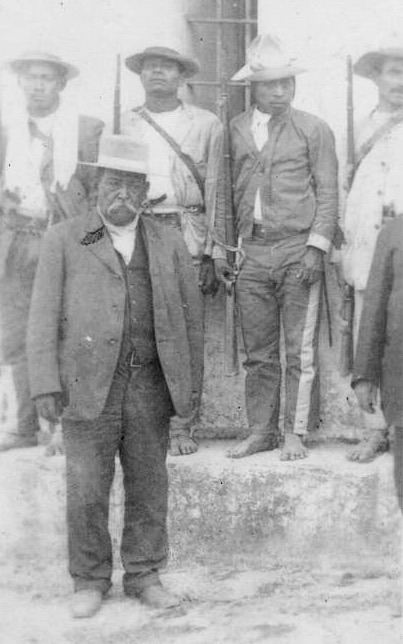
In 1920, the political landscape of Guatemala underwent a significant transformation with the resignation of President Manuel Estrada Cabrera. Having held power for over 22 years, Cabrera's authority had waned considerably by this time, as he found himself increasingly dependent on a small group of loyal generals. The situation escalated with the emergence of new revolts, which highlighted the growing discontent among the populace and the military. Despite the United States' threats of intervention should Cabrera be ousted through revolutionary means, a bipartisan coalition formed within the national assembly to address the crisis.
On April 8, 1920, Cabrera was officially removed from office after being declared mentally incompetent by the assembly. This marked a pivotal moment in Guatemalan history, as Carlos Herrera was appointed as his successor, paving the way for a new political era in the country. The events surrounding Cabrera's resignation not only reflect the internal struggles of Guatemala but also the influence of external powers in Central American politics during this tumultuous period.
#Mooflife #MomentOfLife #EstradaCabrera #GuatemalaHistory #PoliticalResignation #CarlosHerrera #1920Revolts

Explore the Life Moments of
 AI Twin