The Impact of the 1944 Coup d'État on General Juan Federico Ponce Vaides' Leadership in Guatemala
Guatemala
Political Science
Latin American Studies
3 min read
Updated By: History Editorial Network (HEN)
Published:
Updated:
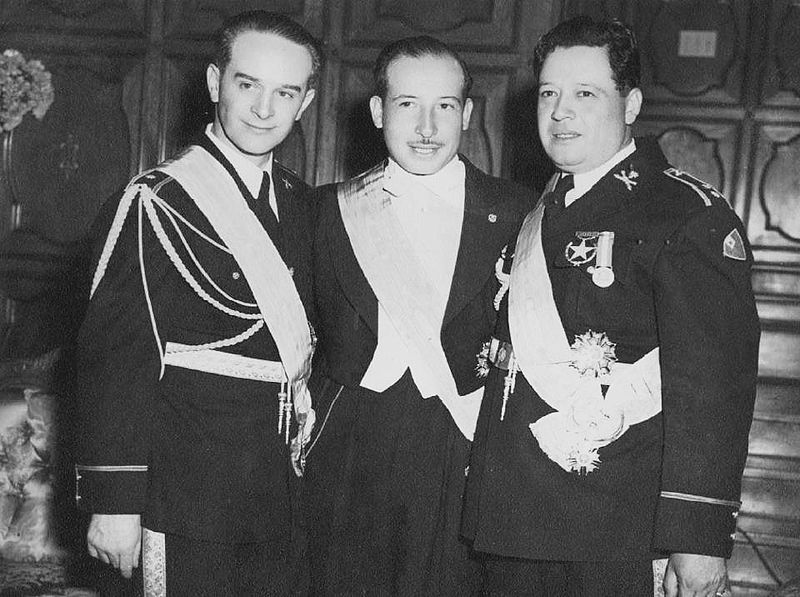
A general strike inspired by brutal labor conditions among plantation workers led to the ousting of General Juan Federico Ponce Vaides on 20 October 1944 by a coup d'état led by Major Francisco Javier Arana and Captain Jacobo Árbenz Guzmán. About 100 people were killed in the coup. The country was then led by a military junta made up of Arana, Árbenz, and Jorge Toriello Garrido. The junta organized Guatemala's first free election, which the philosophically conservative writer and teacher Juan José Arévalo, who wanted to turn the country into a liberal capitalist society, won with a majority of 86%.
His 'Christian Socialist' policies were inspired to a large extent by the US New Deal of President Franklin D. Roosevelt during the Great Depression. Arévalo built new health centers, increased funding for education, and drafted a more liberal labor law, while criminalizing unions in workplaces with less than 500 workers, and cracking down on communists. Although Arévalo was popular among nationalists, he had enemies in the church and the military, and faced at least 25 coup attempts during his presidency.
#Mooflife #MomentOfLife #GuatemalanRevolution #MilitaryJunta

Explore the Life Moments of
 AI Twin