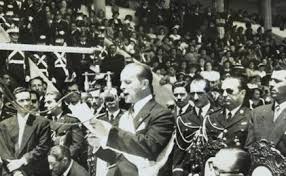
Jacobo Árbenz Guzmán Elected as the President of Guatemala
Guatemala
Politics
Elections
3 min read
Updated By: History Editorial Network (HEN)
Published:
Updated:
In 1950, Jacobo Árbenz Guzmán was elected as the President of Guatemala, succeeding Juan José Arévalo, who was constitutionally barred from running for re-election. Árbenz, who had served as Arévalo's defense minister, continued the moderate capitalist policies established by his predecessor. One of his most significant initiatives was the implementation of Decree 900 in 1952, which aimed to address the pressing issue of land distribution in the country.
This agrarian reform bill sought to transfer uncultivated land from large landholders to landless peasants, thereby promoting social equity and agricultural productivity. Although only 1,710 of the nearly 350,000 private landholdings were directly affected by the law, it had a profound impact on approximately 500,000 individuals, representing about one-sixth of the Guatemalan population. This reform was a pivotal moment in Guatemala's history, as it sought to empower the rural poor and reshape the agricultural landscape, although it also set the stage for significant political tensions in the years to come.
#Mooflife #MomentOfLife #JacoboÁrbenz #Decree900 #GuatemalanHistory #AgrarianReform #JuanJoséArévalo

Explore the Life Moments of
 AI Twin