Catastrophic Earthquake Causes Massive Loss of Life
Guatemala
Natural Disasters
Geology
3 min read
Updated By: History Editorial Network (HEN)
Published:
Updated:
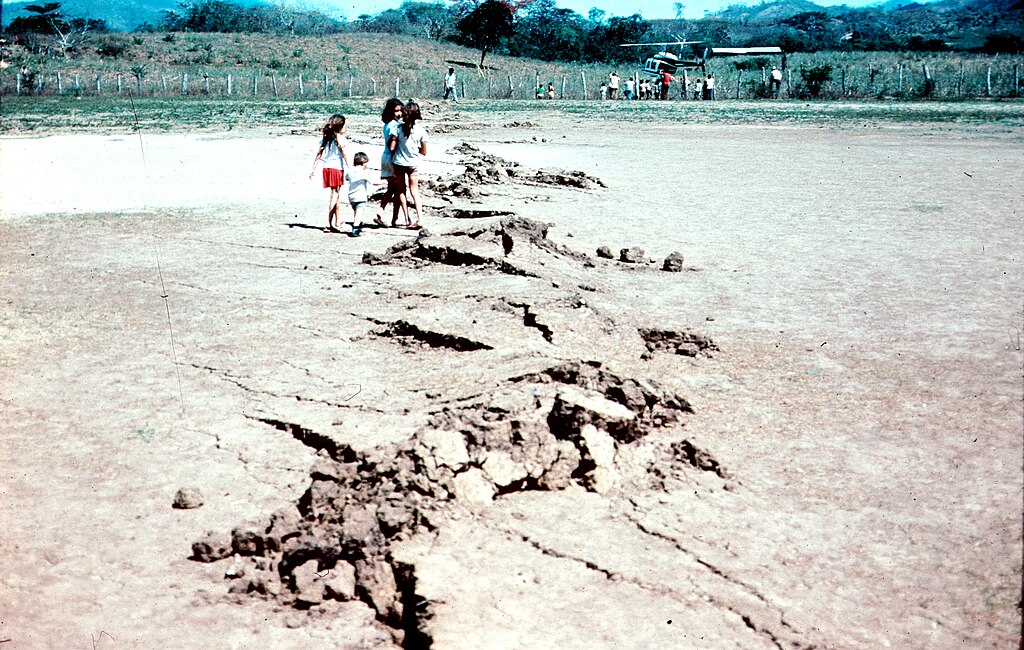
On February 4, 1976, Guatemala experienced a devastating earthquake measuring 7.5 on the Richter scale. This catastrophic event resulted in the loss of more than 25,000 lives and left countless others injured and displaced. The earthquake was primarily caused by the tectonic activity at the boundary between the Caribbean and North American plates. This region is known for its seismic activity, and the earthquake was a stark reminder of the geological forces at play. The Middle America Trench, a significant subduction zone located off the Pacific coast, plays a crucial role in this tectonic activity, where the Cocos Plate is subducting beneath the Caribbean Plate.
This geological interaction not only contributes to earthquakes but also leads to volcanic activity in the region, with Guatemala being home to 37 volcanoes, four of which are currently active, including the well-known Pacaya volcano. The 1976 earthquake had a profound impact on the country, leading to extensive damage to infrastructure and homes, and it prompted a significant humanitarian response both locally and internationally. The event remains a pivotal moment in Guatemala's history, highlighting the need for improved disaster preparedness and response strategies in seismically active regions.
#Mooflife #MomentOfLife #GuatemalaEarthquake #1976Earthquake #TectonicPlates #NaturalDisasters #SeismicActivity

Explore the Life Moments of
 AI Twin