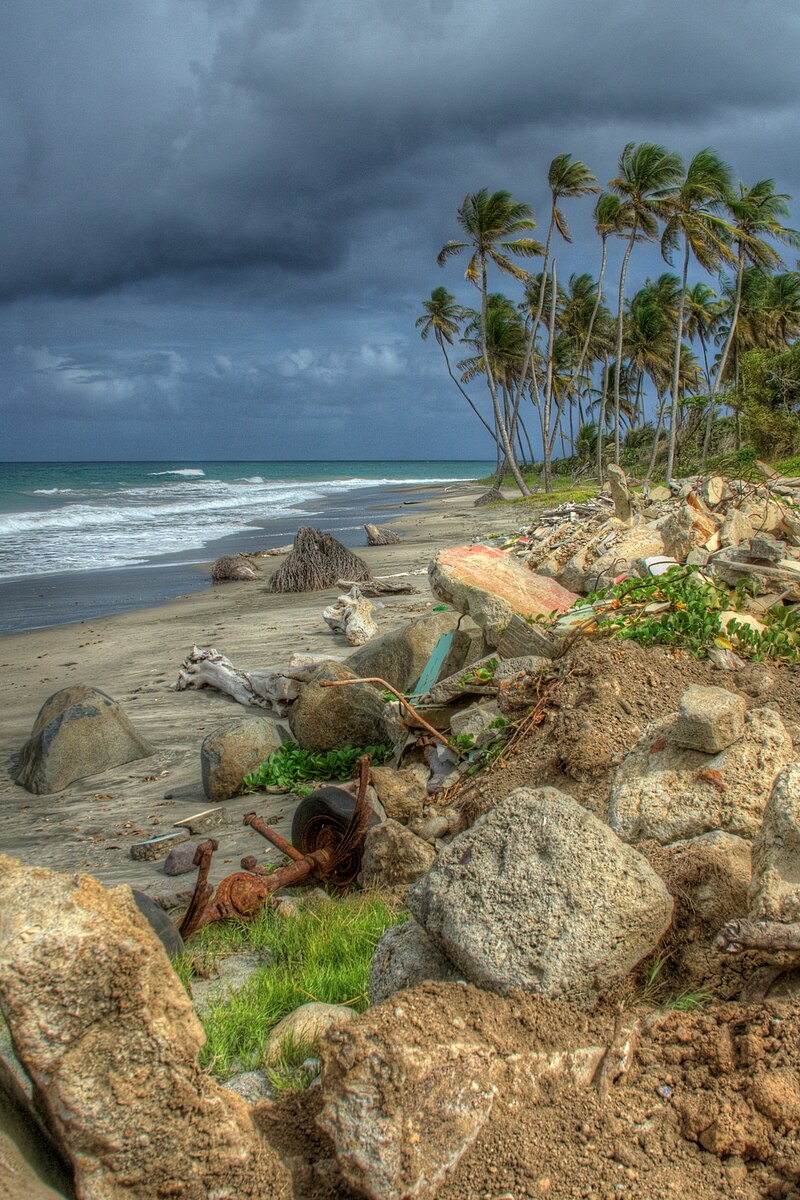
Hurricane Emily devastates northern Grenada, highlighting vulnerability of small island nations to natural disasters.
Grenada
Natural Disaster
Economic Downturn
4 min read
Updated By: History Editorial Network (HEN)
Published:
Updated:
Hurricane Emily, a powerful cyclonic system, struck the Caribbean, causing extensive damage in various regions. One of the most impacted areas was northern Grenada. The hurricane's strong winds and torrential rains led to widespread destruction, including the decimation of homes and infrastructure. In northern Grenada, several buildings were reduced to rubble, and many residents found themselves displaced, seeking shelter in more secure areas.
The agricultural sector, a vital component of Grenada's economy, suffered heavily. Nutmeg plantations, which are one of the island's key exports, were particularly hard hit. The loss of these crops dealt a severe blow to local farmers and the nation’s overall economic stability. Additionally, power lines and communication networks were downed, complicating recovery efforts and isolating communities.
Emergency services and humanitarian aid organizations mobilized quickly, providing immediate relief to those affected. This included the distribution of essential supplies such as food, water, and medical care. The rebuilding process began shortly after, with international aid playing a critical role in helping Grenada recover from the devastation wrought by Hurricane Emily.
The impact on Grenada serves as a reminder of the vulnerability of small island nations to natural disasters. Enhancing infrastructure resilience and preparedness remains a priority for minimizing the effects of future hurricanes.
#HurricaneEmily #Grenada #DisasterRelief #AgricultureImpact #CommunityResilience #NaturalDisaster #MoofLife

Explore the Life Moments of
 AI Twin