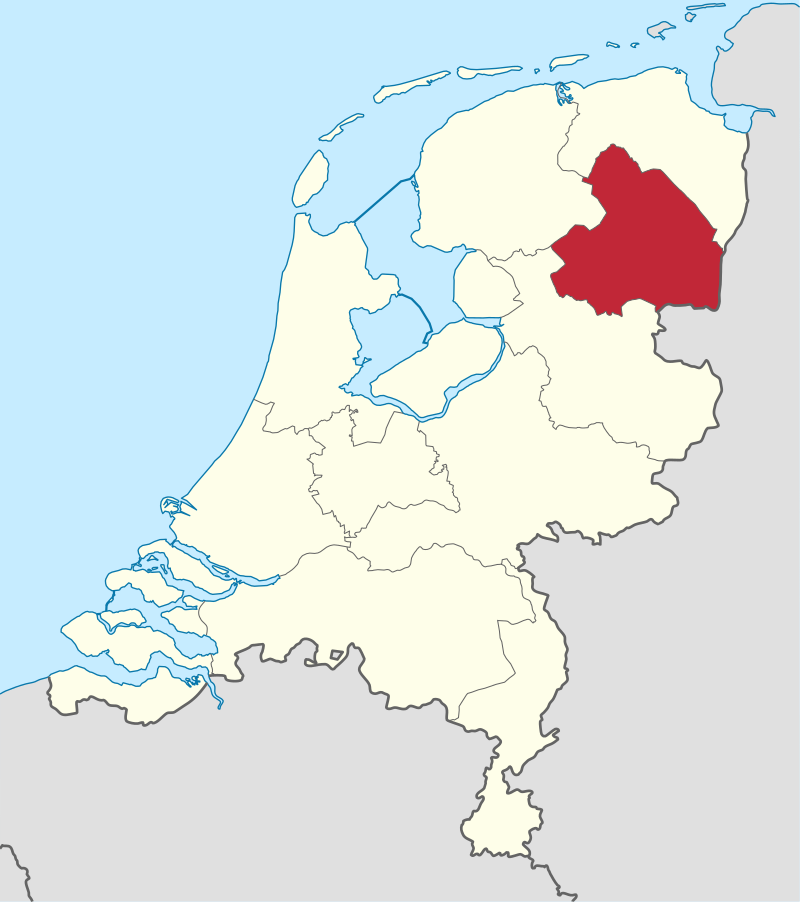
Transition to Gregorian Calendar in Drenthe for Alignment and Efficiency in Society
Rome
Societal
3 min read
Updated By: History Editorial Network (HEN)
Published:
Updated:
The adoption of the Gregorian calendar in Drenthe marked the province's transition from the Julian calendar. Prior to this, Europe had experienced issues with the Julian calendar, which inaccurately measured the solar year. This discrepancy caused a misalignment with equinoxes, influencing agricultural cycles and religious events. Pope Gregory XIII introduced the Gregorian calendar in 1582 to rectify this.
Countries gradually adopted the new calendar, often influenced by political, religious, and scientific motivations. By the early 18th century, the pressure to align with international standards and improve economic, administrative, and scientific synchrony led Dutch provinces to consider this change.
Drenthe’s adoption meant adjusting their civil and religious calendar by omitting several days, aligning with neighbors and trading partners already on the Gregorian system. This realignment improved administrative tasks, record-keeping accuracy, and interstate affairs, crucial for governance, agriculture, and commerce. The shift was significant for both citizens and institutions as it required recalibrating daily life, festivals, and institutional timetables.
This move supported broader societal synchrony and exemplified a commitment to scientific and administrative precision. It highlighted the importance of standardized timekeeping in international cooperation and governance.
#MoofLife #CalendarAdoption #Drenthe #GregorianCalendar #HistoricalChange

Explore the Life Moments of
 AI Twin