The Impact of Norwegian Colonisation on the Americas: A Historical Overview of Hans Egede's Legacy
Colonial Studies
Norwegian History
3 min read
Updated By: History Editorial Network (HEN)
Published:
Updated:
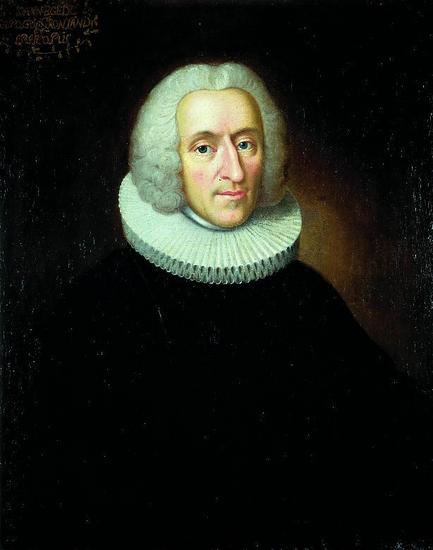
In 1721, Hans Egede, a Dano-Norwegian missionary, led a significant expedition to Greenland, marking a pivotal moment in the Dano-Norwegian colonization of the Americas. The expedition was a joint mercantile and clerical effort aimed at exploring the region, with uncertainty surrounding the existence of any remaining Norse civilization. Upon arrival, Egede established a new colony at Godthåb, meaning 'Good Hope,' located on the southwest coast of Greenland.
Over the next 15 years, Egede dedicated himself to missionary work and the development of the colony, which gradually opened up to Danish merchants while remaining closed to foreign traders. In 1736, after years of service, Egede returned to Denmark, leaving his son Paul Egede in charge of the mission. Upon his return, Hans Egede founded the Greenland Seminary, furthering the educational and religious efforts initiated during his time in Greenland. This expedition not only laid the groundwork for Danish influence in the region but also contributed to the cultural and economic development of Greenland, shaping its future interactions with Europe.
#Mooflife #MomentOfLife #HansEgede #GreenlandExpedition #Dano-norwegianColonization #Godthåb #GreenlandSeminary

Explore the Life Moments of
 AI Twin