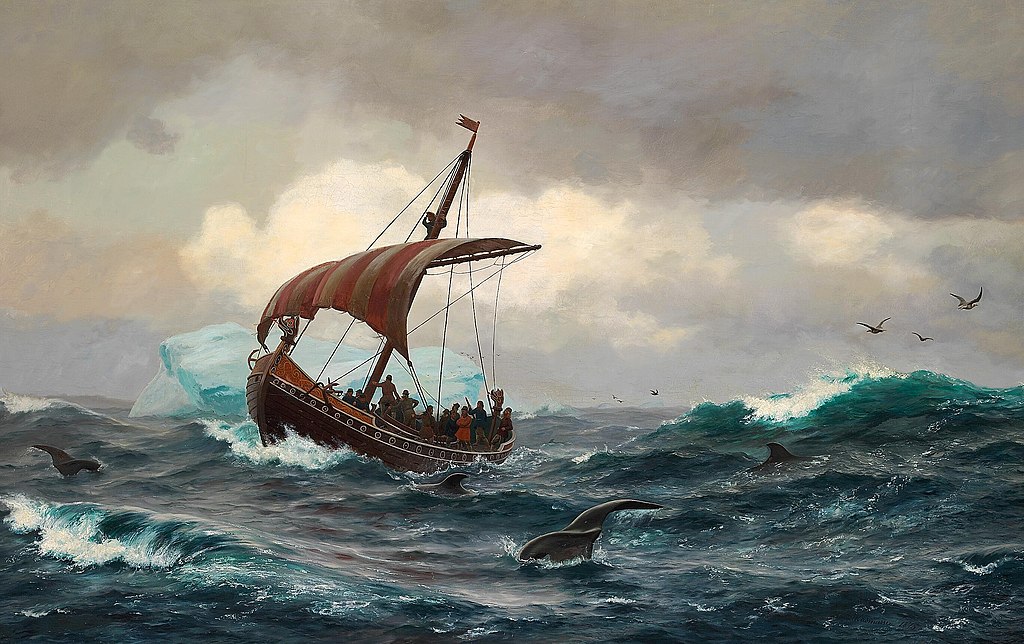
Norse Settlements in Greenland: A Historical Overview from the 10th Century Onwards
Norse Settlements
Greenland
3 min read
Updated By: History Editorial Network (HEN)
Published:
Updated:
From 986, the west coast of Greenland was settled by Icelanders and Norwegians, led by Erik the Red. They formed three settlements—the Eastern Settlement, the Western Settlement, and the Middle Settlement—on fjords near the southwestern tip of the island. They shared the island with the late Dorset culture inhabitants and later with the Thule culture. Norse Greenlanders submitted to Norwegian rule in 1261 under the Kingdom of Norway. The Kingdom of Norway entered a personal union with Denmark in 1380, and from 1397 was part of the Kalmar Union.
The Norse settlements thrived for centuries before disappearing in the 15th century, possibly due to the onset of the Little Ice Age. Contemporary records from the Norse settlements are limited, with most information coming from Icelandic sagas and archaeological data. The Norse settlements vanished during the 14th and early 15th centuries, coinciding with a decrease in temperatures. Various factors, including malnutrition, plague, and conflicts with the Inuit, may have contributed to their decline.

Explore the Life Moments of
 AI Twin