Impact of the Great Chinese Famine
China
Famine
4 min read
Updated By: History Editorial Network (HEN)
Published:
Updated:
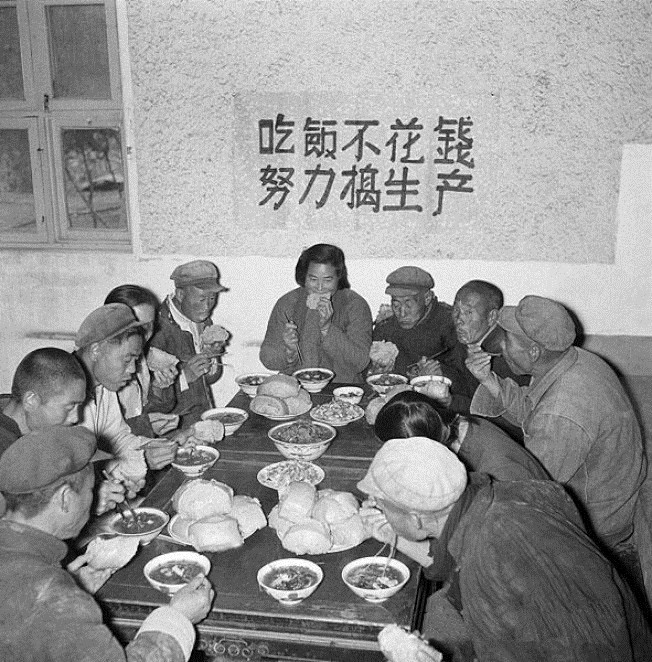
The Great Chinese Famine was a catastrophic event that took place in China, leading to an estimated death toll ranging from 11 million to 40 million people. This famine was primarily a result of a combination of natural disasters, poor agricultural policies, and socio-political factors. The Great Leap Forward, an initiative aimed at rapidly transforming China from an agrarian society into a socialist society through rapid industrialization and collectivization, played a crucial role in exacerbating the food crisis. The government’s focus on steel production and the collectivization of farms led to a significant decline in agricultural output. Additionally, adverse weather conditions, including droughts and floods, further diminished crop yields, compounding the already dire situation.
The impact of the Great Chinese Famine was profound and far-reaching. It not only caused immense human suffering but also had lasting effects on Chinese society and governance. The famine led to widespread malnutrition and starvation, with millions of people losing their lives. The event prompted a reevaluation of agricultural policies and practices in China, leading to changes in governance and a shift towards more pragmatic economic policies in subsequent years. The famine remains a sensitive topic in China, often overshadowed by the political narratives of the time. It serves as a stark reminder of the consequences of mismanagement and the importance of sustainable agricultural practices in ensuring food security.
#mooflife
#MomentOfLife
#GreatChineseFamine
#China
#AgriculturalPolicies
#FoodSecurity
#HistoricalEvents

Explore the Life Moments of
 AI Twin