Hindu Kush Earthquakes Impact on Afghanistan
Natural Disasters
Geography
4 min read
Updated By: History Editorial Network (HEN)
Published:
Updated:
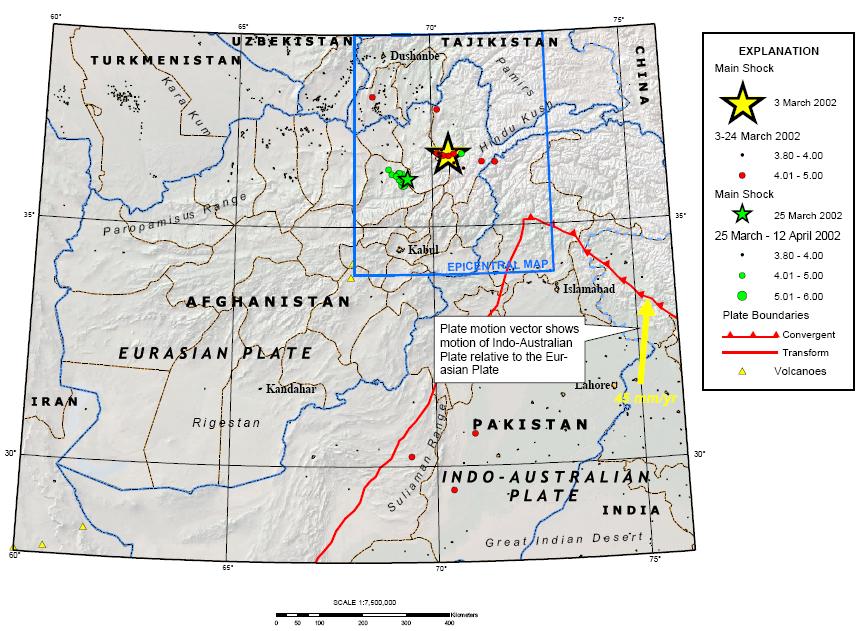
The Hindu Kush earthquakes in Afghanistan were a series of seismic events that caused significant destruction and loss of life. The most notable of these occurred in March, resulting in a death toll estimated between 1,200 and 1,500 individuals. The earthquakes primarily affected the northeastern regions of Afghanistan, where the mountainous terrain and underdeveloped infrastructure exacerbated the impact of the tremors. Many communities were left vulnerable due to the lack of adequate housing and emergency services, which contributed to the high casualty figures. The earthquakes also caused extensive damage to buildings, roads, and essential services, further complicating rescue and recovery efforts. The aftermath of the earthquakes highlighted the challenges faced by Afghanistan in terms of disaster preparedness and response, particularly in remote areas where access to aid was limited.
The impact of the Hindu Kush earthquakes extended beyond immediate casualties and physical destruction. The events underscored the ongoing vulnerability of Afghanistan to natural disasters, a situation compounded by years of conflict and instability. The humanitarian response was hampered by logistical difficulties, and many affected communities struggled to rebuild in the face of ongoing economic challenges. The earthquakes also drew attention to the need for improved infrastructure and disaster management strategies in the region. International aid organizations and local governments recognized the importance of investing in resilience-building measures to better prepare for future seismic events. Overall, the Hindu Kush earthquakes served as a stark reminder of the risks posed by natural disasters in Afghanistan and the necessity for comprehensive disaster risk reduction initiatives.
#mooflife
#MomentOfLife
#HinduKush
#Earthquakes
#Afghanistan
#NaturalDisasters
#HumanitarianImpact

Explore the Life Moments of
 AI Twin