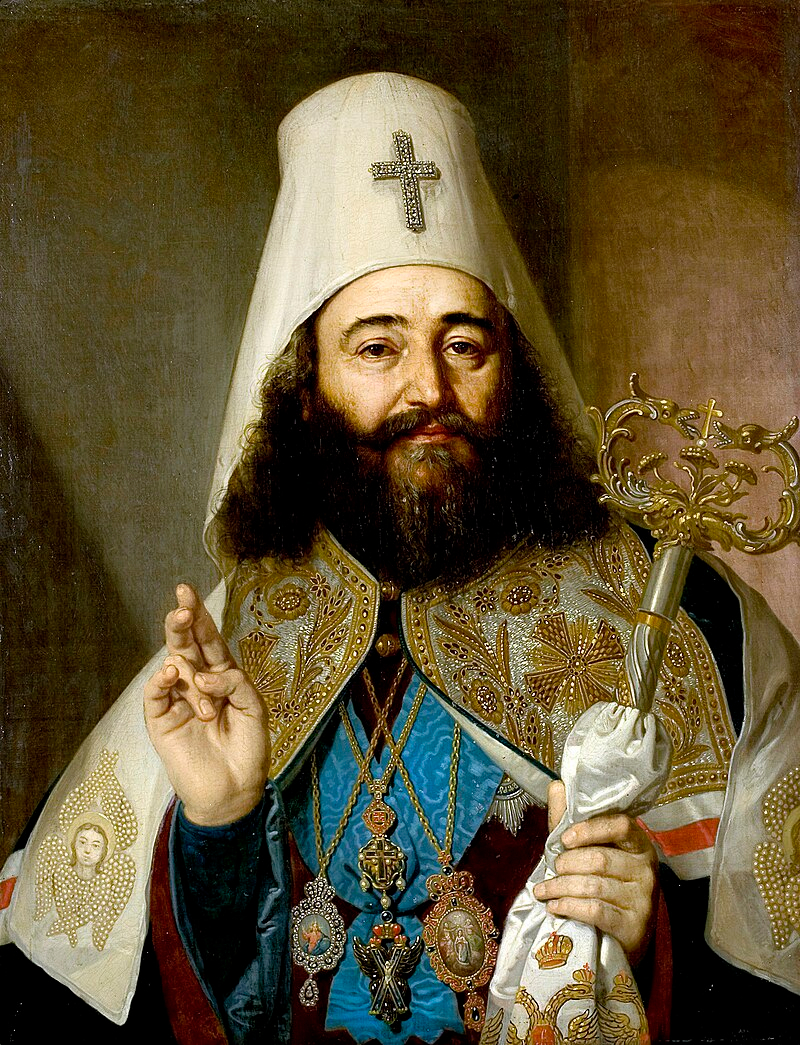
Tsar annulled Georgian Orthodox Church's autonomy, impacting religious autonomy and leadership.
Georgia
Political
3 min read
Updated By: History Editorial Network (HEN)
Published:
In 1811, the Tsar quashed the autocephaly of the Georgian Orthodox Church, consolidating control over the church under the Russian Orthodox Church. This decision was part of a broader strategy to centralize power and diminish Georgian autonomy.
The Georgian Orthodox Church had a long history of independence, dating back to the 5th century. However, with Georgia's annexation by the Russian Empire in the early 19th century, the Tsar sought to assert authority over all aspects of Georgian life, including the church. By revoking the autocephaly of the Georgian Orthodox Church, the Tsar aimed to strengthen Russian influence and suppress any potential sources of dissent.
The impact of this decision was significant, as it marked the end of centuries of ecclesiastical independence for the Georgian Church. The move sparked protests and resistance among the Georgian clergy and faithful, who saw it as a violation of their religious and cultural identity. Despite these objections, the Tsar's decree remained in effect, solidifying Russian control over the Georgian Orthodox Church.
This event underscores the complex dynamics of power and identity in the Caucasus region during the 19th century, highlighting the tensions between imperial domination and local autonomy. It also sheds light on the enduring struggles for self-determination and religious freedom in Georgia. #GeorgianOrthodoxChurch #RussianEmpire #EcclesiasticalAutonomy
Primary Reference
Georgian Orthodox Church - Wikipedia

Explore the Life Moments of
 AI Twin