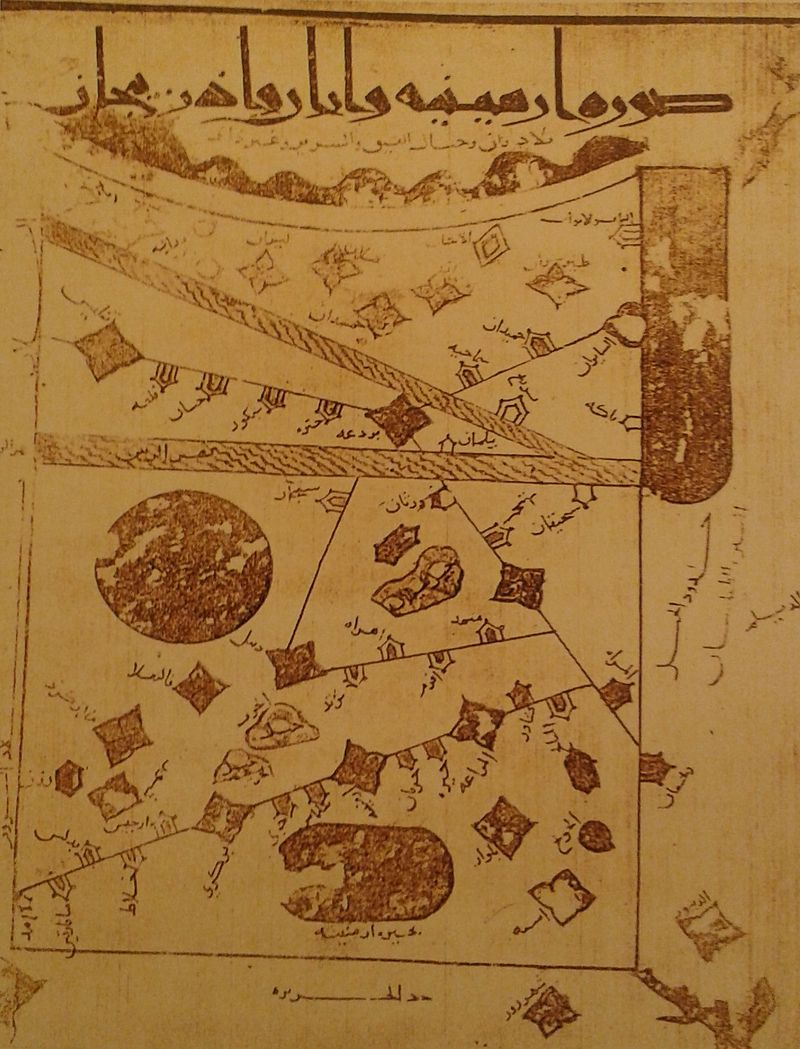
Muslim rule in Southeastern Georgia following Arab invasions.
Georgia
Political
3 min read
Updated By: History Editorial Network (HEN)
Published:
In 645, Arabs invaded Southeastern Georgia, establishing a centuries-long era of Muslim rule in the region. This invasion marked a significant shift in the area's political landscape, bringing about changes in governance, culture, and religion. The Arab conquest brought Islam to Georgia and introduced new architectural styles, agricultural techniques, and trade practices.
The impact of the Arab invasion in Southeastern Georgia was multifaceted. It led to the establishment of Muslim emirates in the region, altering the traditional Georgian governance structure. The Arab domination also influenced the local culture and language, as Arabic became a prominent language in administrative and religious affairs. Moreover, trade routes were expanded, connecting Georgia to the wider Muslim world and facilitating the exchange of goods and ideas.
Over time, the Muslim rule in Southeastern Georgia faced periods of resistance and rebellions from local Georgian rulers. These internal conflicts, combined with external pressures from neighboring powers, contributed to the eventual decline of Arab influence in the region. However, the legacy of the Arab invasion persisted in Georgia, shaping its history and society for centuries to come.
#ArabInvasion #MuslimDomination #GeorgiaHistoricalEvent
Primary Reference
Lessons from PISA for the United States | OECD

Explore the Life Moments of
 AI Twin