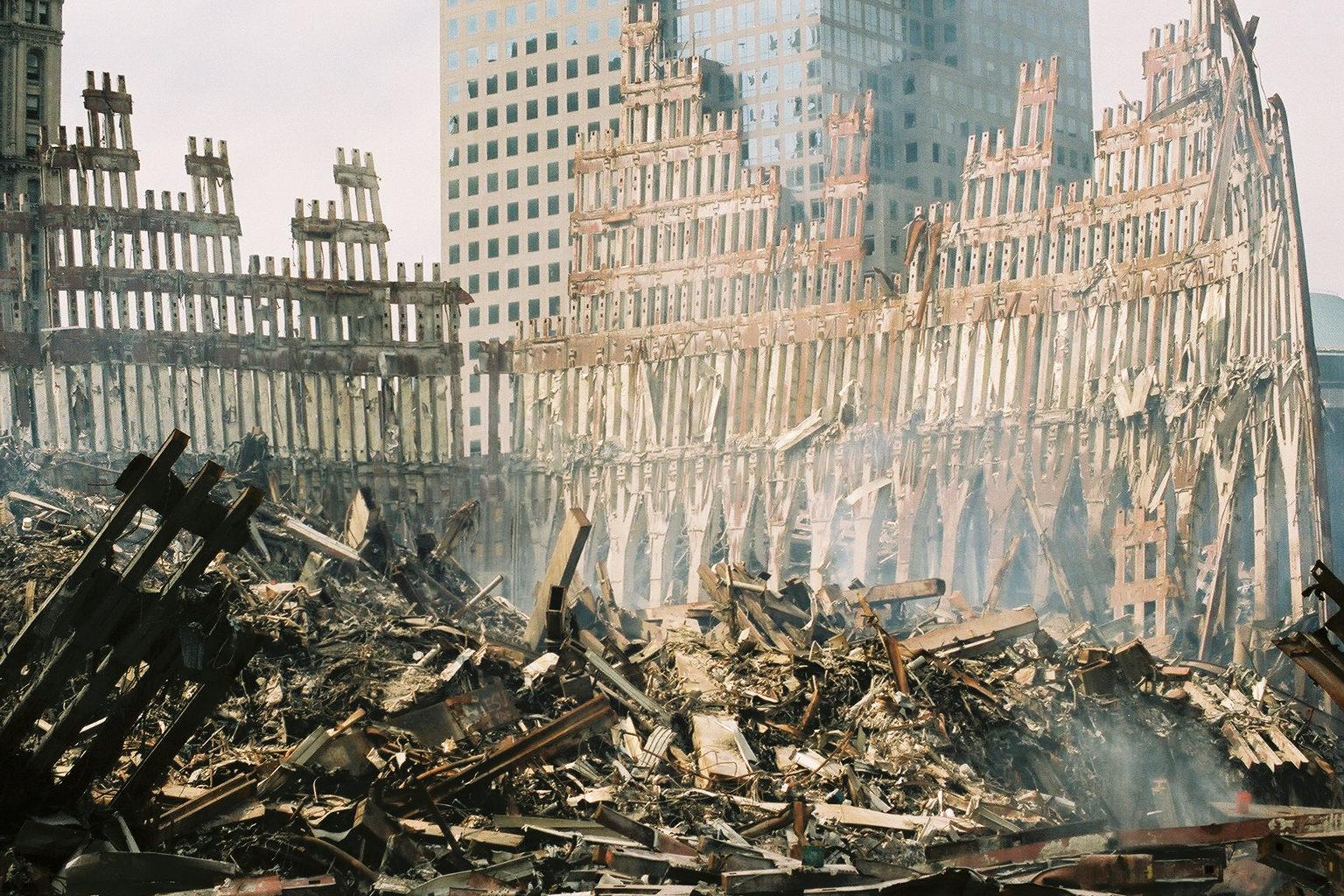
Bush's Executive Order After 9/11 Attacks
Politics
Terrorism
4 min read
Updated By: History Editorial Network (HEN)
Published:
Updated:
Following the September 11 attacks, President George W. Bush issued an executive order aimed at enhancing national security and counterterrorism efforts. This order was part of a broader strategy to address the immediate threats posed by terrorism and to prevent future attacks on U.S. soil. The executive order facilitated the establishment of the Department of Homeland Security, which consolidated various federal agencies to improve coordination and response to terrorist threats. Supporters of Bush's policies argue that these measures were instrumental in preventing subsequent major terrorist incidents in the United States. The focus on counterterrorism also led to the implementation of various surveillance and intelligence-gathering initiatives, which sparked debates about civil liberties and privacy rights.
The impact of Bush's executive order extended beyond immediate security measures. It influenced U.S. foreign policy, leading to military interventions in Afghanistan and Iraq, which were justified as necessary actions to combat terrorism. The long-term consequences of these policies have been the subject of extensive analysis, with supporters highlighting the importance of proactive measures in national security, while critics point to the implications for international relations and the rise of anti-American sentiment in certain regions. Overall, the executive order marked a pivotal shift in U.S. policy, emphasizing a robust approach to counterterrorism that continues to shape discussions on security and civil liberties today.
#mooflife
#MomentOfLife
#BushExecutiveOrder
#9/11Attacks
#CounterterrorismPolicies
#NationalSecurity
#HomelandSecurity
Primary Reference
Fact Sheet: Global War on Terror
Explore the Life Moments of
 AI Twin