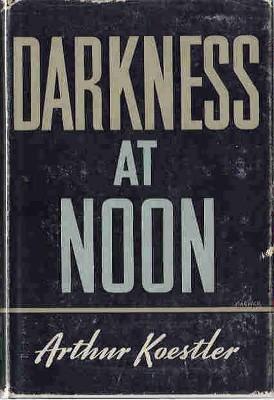
Review of Darkness at Noon
Literature Reviews
Political Commentary
Totalitarianism
4 min read
Updated By: History Editorial Network (HEN)
Published:
Updated:
George Orwell's review of Arthur Koestler's novel, 'Darkness at Noon', published in the New Statesman, provided a critical examination of the book's themes and its broader implications. In his review, Orwell acknowledged the novel's literary brilliance while emphasizing its significance in understanding the political climate of the time, particularly the Moscow trials. These trials were a series of show trials in the Soviet Union, where prominent Communist Party members were accused of treason and other crimes, often based on coerced confessions. Orwell's critique extended to the Western intellectual community, which he believed was too willing to rationalize these totalitarian practices. He argued that the acceptance of such trials by intellectuals undermined the principles of justice and truth, highlighting a troubling complicity in the face of authoritarianism.
The impact of 'Darkness at Noon' and Orwell's review resonated beyond literature, as it sparked discussions about the moral responsibilities of intellectuals in the face of oppressive regimes. The novel itself serves as a powerful allegory for the struggle between individual conscience and the demands of the state, reflecting the experiences of those who suffered under totalitarian rule. Orwell's insights contributed to a growing awareness of the dangers posed by totalitarian ideologies, urging readers to critically assess the narratives presented by those in power. This review not only solidified 'Darkness at Noon' as a pivotal work in political literature but also positioned Orwell as a key commentator on the ethical dilemmas faced by society during times of political upheaval.
#mooflife
#MomentOfLife
#DarknessAtNoon
#GeorgeOrwell
#ArthurKoestler
#Totalitarianism
#PoliticalLiterature
Primary Reference
George Orwell
Explore the Life Moments of
 AI Twin