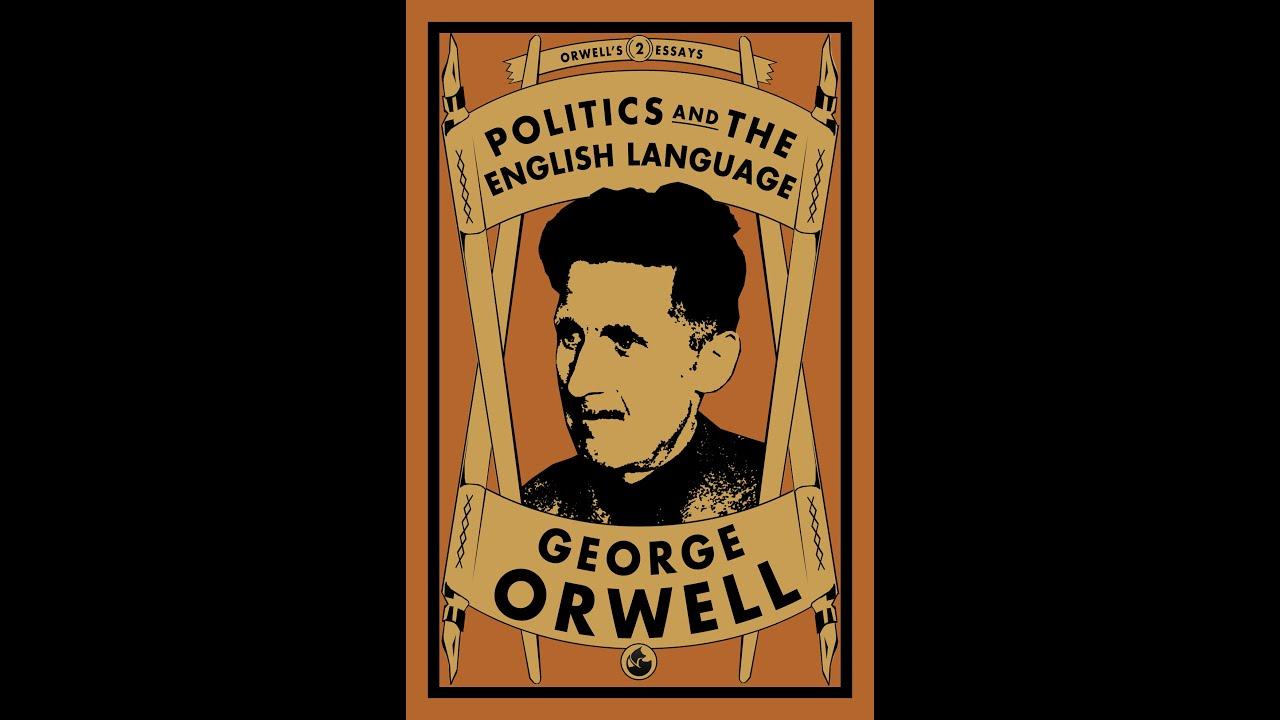
Essay Politics and the English Language
Language and Communication
Political Writing
Literary Criticism
3 min read
Updated By: History Editorial Network (HEN)
Published:
Updated:
In the essay "Politics and the English Language," George Orwell discusses the critical role of language in shaping political discourse. He argues that imprecise and vague language can serve as a mechanism for political manipulation, allowing those in power to obscure truth and mislead the public. Orwell emphasizes that the clarity of language is essential for honest communication and effective political engagement. He asserts that when language becomes convoluted, it can distort reality and hinder the ability of individuals to think critically about political issues. This manipulation of language can lead to a disconnection between the public and the political processes that affect their lives, ultimately undermining democracy itself.
To combat this trend, Orwell outlines six rules for writers aimed at promoting clarity and precision in language. These rules include avoiding overused metaphors and figures of speech, opting for shorter words over longer ones, and ensuring that every word serves a purpose. By adhering to these guidelines, writers can contribute to a more transparent and accountable political dialogue. Orwell's essay remains relevant as it highlights the ongoing challenges of language in politics, where the potential for manipulation persists. The impact of his work can be seen in contemporary discussions about media, propaganda, and the importance of clear communication in fostering an informed citizenry.
#mooflife
#MomentOfLife
#Orwell
#Politics
#Language
#PoliticalManipulation
#ClearCommunication
Primary Reference
Politics and the English Language
Explore the Life Moments of
 AI Twin