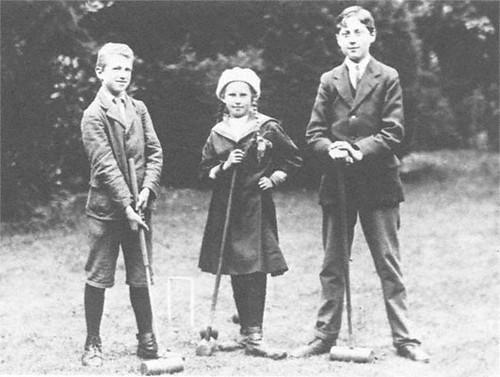
Blair's intellectual nature at school
Literature
Biographies
Education
4 min read
Updated By: History Editorial Network (HEN)
Published:
Updated:
Blair, known later as George Orwell, exhibited a distinct intellectual nature during his time at school, which set him apart from his peers. Cyril Connolly, in his work 'Enemies of Promise', noted that Blair was unique among the boys for his ability to think independently rather than simply mimic others. This intellectual curiosity was evident in his approach to learning, where he was compelled to study rigorously to secure a scholarship. Despite the pressures of academic life, Blair's capacity for critical thought and self-reflection distinguished him from many of his contemporaries. His experiences at school, including the challenges he faced, would later inform his writings and perspectives on education and society.
The impact of Blair's intellectual nature at school can be seen in the way he navigated the educational system. While he was subjected to a demanding study regimen, he also developed a sense of individuality that would characterize his later works. Jacintha Buddicom, a contemporary of Blair, challenged the narrative of misery often associated with his school experience, suggesting that his time there was not solely defined by hardship. Instead, it was a formative period that contributed to his development as a thinker and writer. The combination of rigorous academic demands and his innate intellectual curiosity laid the groundwork for his future contributions to literature and social commentary, ultimately shaping his views on authority, conformity, and the human condition.
#mooflife
#MomentOfLife
#GeorgeOrwell
#IntellectualDevelopment
#Education
#CyrilConnolly
#IndependentThinking
Primary Reference
George Orwell
Explore the Life Moments of
 AI Twin