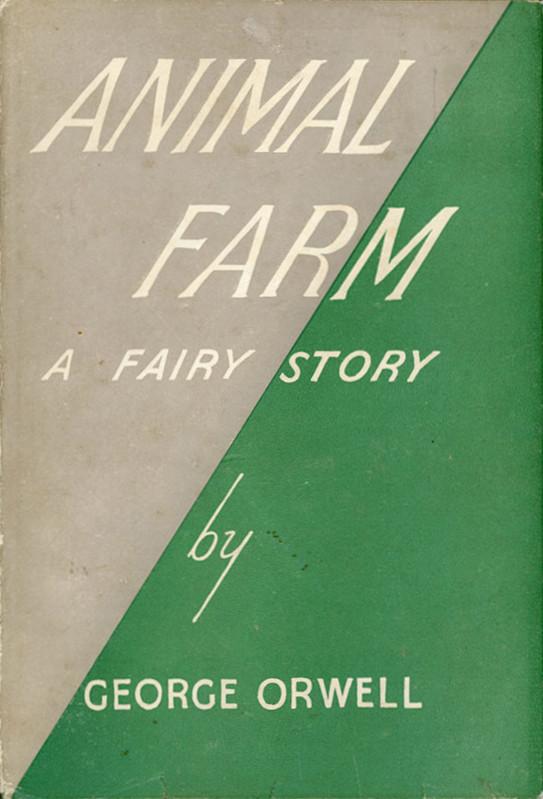
Animal Farm published in Britain
Literature
Political Satire
Historical Fiction
4 min read
Updated By: History Editorial Network (HEN)
Published:
Updated:
Animal Farm, a novella by George Orwell, was published in Britain and quickly became a pivotal work in the realm of political literature. The narrative is an allegorical tale that critiques totalitarian regimes, particularly reflecting on the events surrounding the Russian Revolution and the rise of Stalinism. The story features a group of farm animals who overthrow their human farmer in hopes of creating an egalitarian society. However, as the pigs assume leadership, the initial ideals of equality and freedom deteriorate into a regime that mirrors the oppression they sought to escape. This transformation serves as a powerful commentary on the corrupting influence of power and the ease with which noble intentions can be subverted. The book's publication came at a time when the world was grappling with the consequences of war and the emergence of new political ideologies, making its themes particularly resonant.
The impact of Animal Farm has been profound, influencing both literature and political discourse. It has been translated into numerous languages and adapted into various forms, including film and theater. The novella's exploration of propaganda, class struggle, and the betrayal of revolutionary ideals has made it a staple in educational curricula worldwide. Statistics indicate that Animal Farm remains one of the most taught texts in schools, highlighting its enduring relevance. The book's ability to provoke thought and discussion about governance, ethics, and human nature continues to engage readers, ensuring its place as a critical work in understanding the dynamics of power and society.
#mooflife
#MomentOfLife
#AnimalFarm
#GeorgeOrwell
#PoliticalLiterature
#Totalitarianism
#Allegory
Primary Reference
Animal Farm
Explore the Life Moments of
 AI Twin