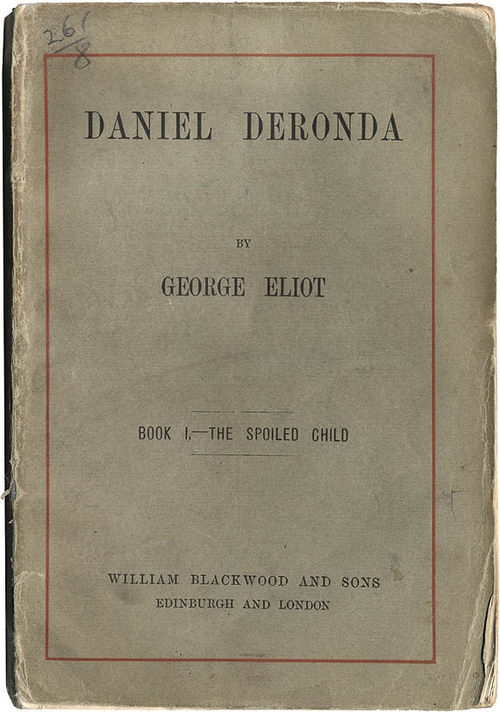
Daniel Deronda Published
England
Literature
Analysis
Themes
4 min read
Updated By: History Editorial Network (HEN)
Published:
Updated:
Daniel Deronda, the final novel by George Eliot, explores complex themes such as identity, morality, and the search for meaning in life. The narrative follows the lives of its two main characters, Daniel Deronda and Gwendolen Harleth, whose paths intersect in a society marked by rigid social structures and personal dilemmas. Daniel, a young man of mixed heritage, grapples with his Jewish identity and the responsibilities that come with it, while Gwendolen, a beautiful but troubled woman, faces the consequences of her choices in a patriarchal society. The novel delves into the philosophical underpinnings of these characters' journeys, particularly through Daniel's quest for self-discovery and his commitment to the Jewish people, which reflects Eliot's interest in the themes of cultural identity and social justice.
The impact of Daniel Deronda extends beyond its narrative, as it engages with contemporary issues such as anti-Semitism and the role of women in society. Eliot's portrayal of Jewish culture and the exploration of Zionism were groundbreaking for the time, providing a nuanced perspective on Jewish identity that was often overlooked in literature. The novel also critiques the limitations placed on women, as seen through Gwendolen's struggles against societal expectations and her eventual quest for autonomy. Daniel Deronda has been recognized for its rich character development and its philosophical depth, prompting discussions about the moral responsibilities of individuals within society. The themes presented in the novel continue to resonate, making it a significant work in the canon of English literature.
#mooflife
#MomentOfLife
#DanielDeronda
#GeorgeEliot
#Identity
#Morality
#JewishCulture
Primary Reference
Daniel Deronda

Explore the Life Moments of
 AI Twin