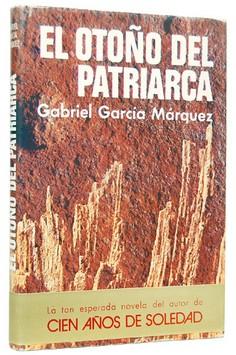
Autumn of the Patriarch published in Spain
Mexico
Literature
Fiction
Latin American Literature
4 min read
Updated By: History Editorial Network (HEN)
Published:
Updated:
García Márquez's novel _Autumn of the Patriarch_ emerged from his observations of political dynamics in Latin America, particularly influenced by the fall of Venezuelan dictator Marcos Pérez Jiménez. This event marked a pivotal moment in the region's history, as it was one of the first instances where a dictator was seen to lose power, prompting García Márquez to explore themes of tyranny and the complexities of leadership. The narrative structure of the novel is non-linear, consisting of various anecdotes that collectively portray the life of a fictional general, reflecting the chaotic nature of dictatorial regimes. The work delves into the psychological and social implications of dictatorship, illustrating how power can corrupt and the impact it has on both the ruler and the ruled. Through this lens, García Márquez critiques the authoritarianism prevalent in Latin America, drawing parallels to real-life figures and events that shaped the political landscape of the region.
The publication of _Autumn of the Patriarch_ in Spain marked a significant addition to the genre of dictator novels, which often serve as allegories for the political realities of Latin American countries. The novel's reception highlighted the growing interest in literature that addresses themes of power, oppression, and the human condition under authoritarian rule. García Márquez's work not only contributed to the literary canon but also sparked discussions about the role of literature in reflecting and critiquing societal issues. The impact of _Autumn of the Patriarch_ extends beyond its narrative, as it has influenced subsequent generations of writers and thinkers who grapple with the legacies of dictatorship and the quest for democracy in Latin America.
#mooflife
#MomentOfLife
#GarcíaMárquez
#AutumnOfThePatriarch
#DictatorNovel
#LatinAmericanLiterature
#PoliticalThemes
Primary Reference
The Autumn of the Patriarch

Explore the Life Moments of
 AI Twin