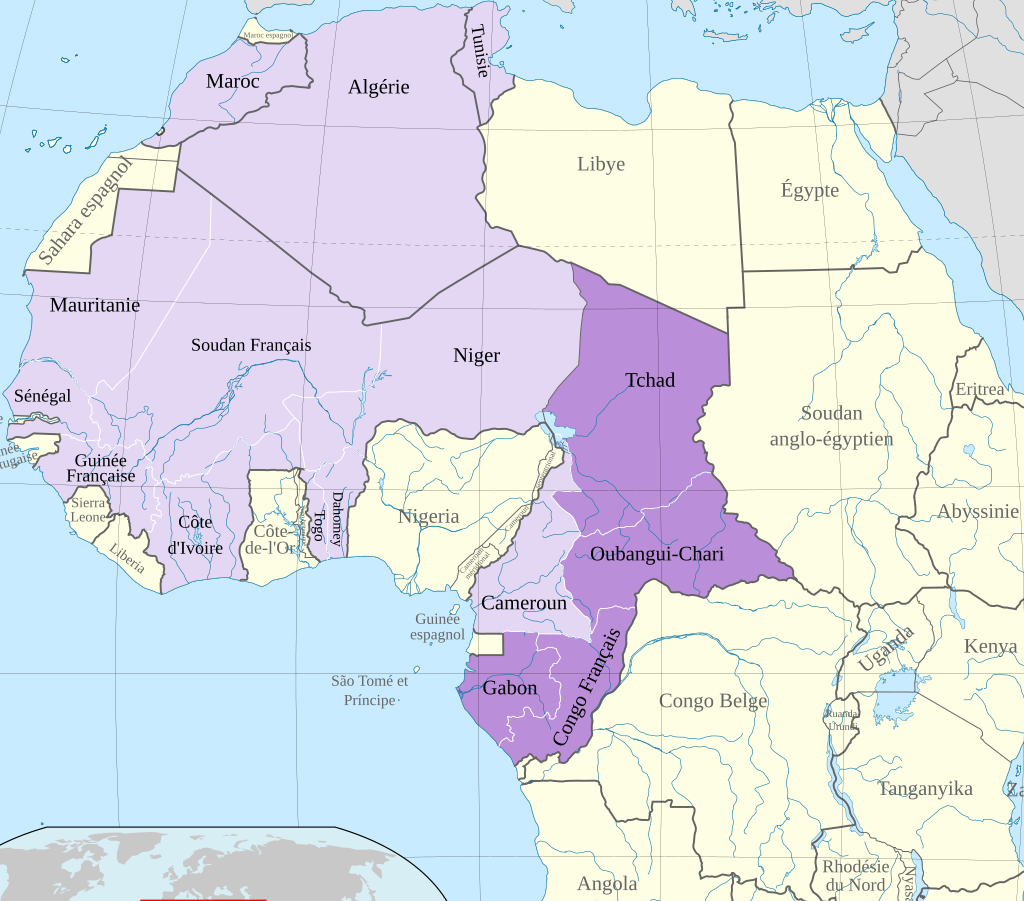
The Historical Transition of Gabon into a French Territory in 1910
Gabon
Colonialism
Gabon
3 min read
Updated By: History Editorial Network (HEN)
Published:
Updated:
In 1910, Gabon officially became a territory of French Equatorial Africa, a federation that included several other territories in Central Africa. This political arrangement was part of France's colonial expansion in Africa, which aimed to consolidate its influence in the region. The federation lasted until 1958, during which time Gabon experienced significant changes in governance and administration. The colonial period was marked by the imposition of French laws and economic systems, which often disregarded local customs and practices. Gabon, along with other territories in the federation, faced various challenges, including resistance to colonial rule and the impact of global events such as World War II. The Allies invaded Gabon during the war to dismantle the pro-Vichy France administration, highlighting the complexities of colonial allegiances. Following the war, Gabon transitioned towards greater autonomy, becoming an autonomous republic within the French Community on November 28, 1958. This marked a significant step towards independence, which was fully realized on August 17, 1960. The legacy of French colonial rule continues to influence Gabon's political and economic landscape today, as the nation navigates its post-colonial identity and development. #mooflife #mof #MomentOfLife #Gabon #FrenchEquatorialAfrica #ColonialHistory #Autonomy #Post-colonialDevelopment

Explore the Life Moments of
 AI Twin