Fyodor Dostoevsky: Last Hemorrhage and Legacy in Literature
Russia
Literature
4 min read
Updated By: History Editorial Network (HEN)
Published:
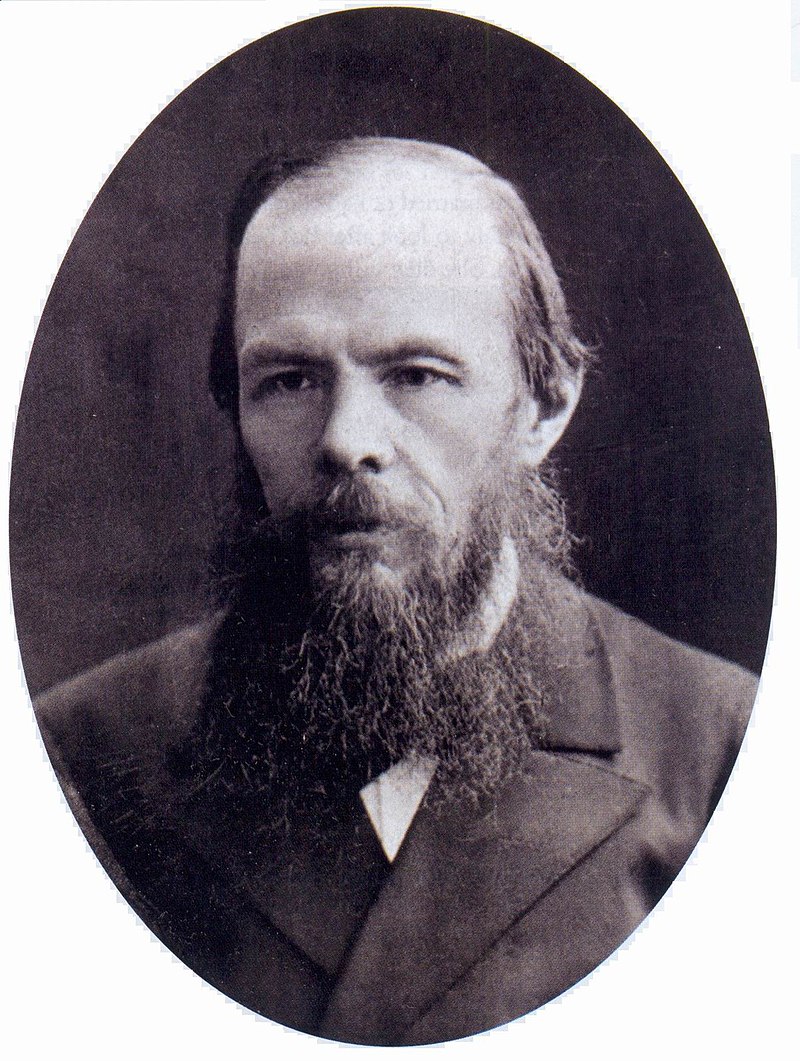
Fyodor Dostoevsky, a Russian novelist and thinker, experienced his first pulmonary hemorrhage during the late stages of his life. Born in Moscow in 1821, Dostoevsky is recognized for his profound influence on literature through works such as "Crime and Punishment," "The Idiot," and "The Brothers Karamazov." His writings explore deep psychological and moral themes, making him a pivotal figure in existentialism and literary realism.
Dostoevsky had been in frail health for much of his life, suffering from conditions like epilepsy and chronic respiratory issues. The pulmonary hemorrhage marked a severe escalation of his health problems. Medical understanding at the time labeled such hemorrhages as grave, with limited treatment options available. His deteriorating health inevitably affected his ability to write and engage in public life.
By this time, Dostoevsky had established a significant literary legacy. His contributions were not only recognized in Russia but also had far-reaching implications across Europe. The severity of the hemorrhage raised concerns among his family and admirers about his ability to continue his work. This event marked the beginning of the end for one of literature's most impactful and introspective authors.
Dostoevsky’s influence on subsequent literary figures and philosophers, such as Friedrich Nietzsche and Albert Camus, underscores the significance of his intellectual legacy. The hemorrhage deprived the world of potentially more profound works, underscoring the fragility of human creativity in the face of illness.
#MoofLife #Dostoevsky #LiteraryImpact #PulmonaryHemorrhage #HealthChallenges
Primary Reference
Dostoevsky, The Brothers Karamazov, and Epilepsy - PMC
Explore the Life Moments of
 AI Twin