Dostoevsky's Translation Dilemma: Influencing a Shift Towards Literary Originality
Russia
Literary
Motivation
3 min read
Updated By: History Editorial Network (HEN)
Published:
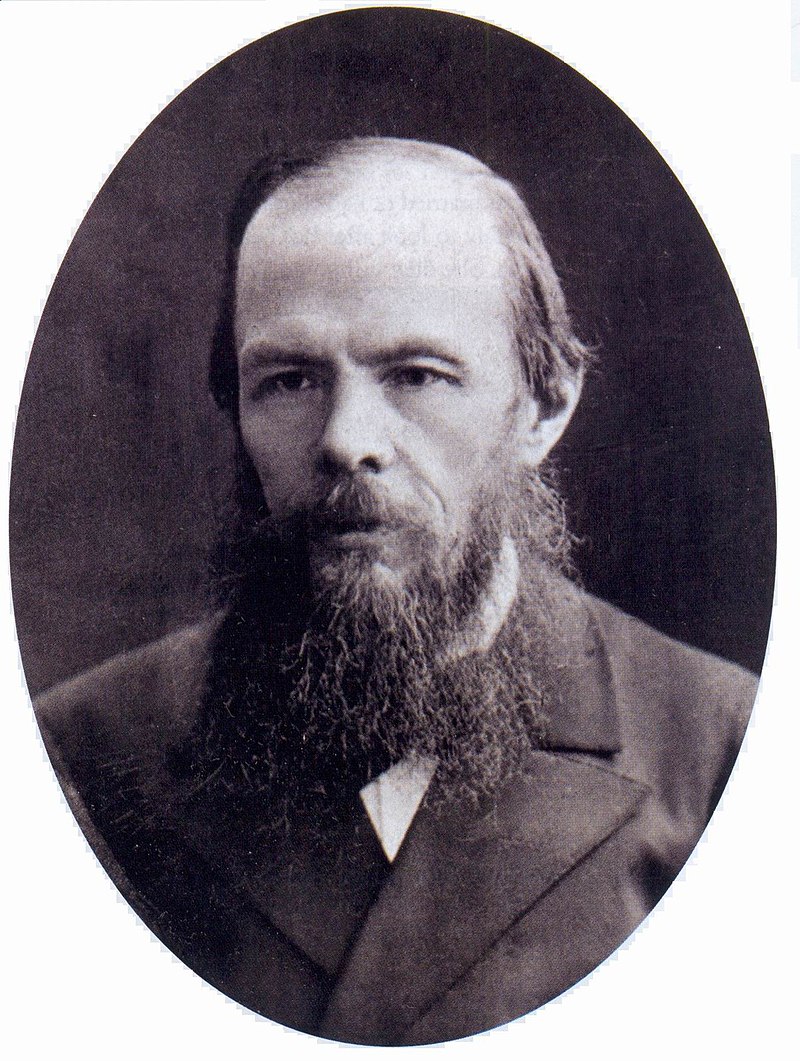
Fyodor Dostoevsky, an aspiring writer, engaged in translating "La dernière Aldini," a work by George Sand. He undertook this project with the hope of entering the literary scene. Sand's novel had captivated many readers, and Dostoevsky believed that rendering the novel into Russian would gain him initial recognition.
However, while progressing with his translation, Dostoevsky discovered that the novel had already been translated into Russian and published several years earlier. This revelation led Dostoevsky to abandon his effort and rethink his approach to entering the literary world. Rather than continue with a redundant project, he shifted his focus towards original writing. This experience influenced Dostoevsky's subsequent focus on creating his own works rather than translating those of others.
Dostoevsky's encounter with "La dernière Aldini" coincided with his early struggles in finding a foothold in the literary domain. The realization that his translation was not needed was a turning point, compelling him to produce original stories. This decision steered his career towards notable works such as "Poor Folk" and "Crime and Punishment," which later cemented his place in classical literature.
#Dostoevsky #GeorgeSand #TranslationChallenges #LiteraryBeginnings #MoofLife
Explore the Life Moments of
 AI Twin