Dostoevsky's 'The Double': Early exploration of identity and human psyche in Russian literature
Russia
Literature
Philosophy
4 min read
Updated By: History Editorial Network (HEN)
Published:
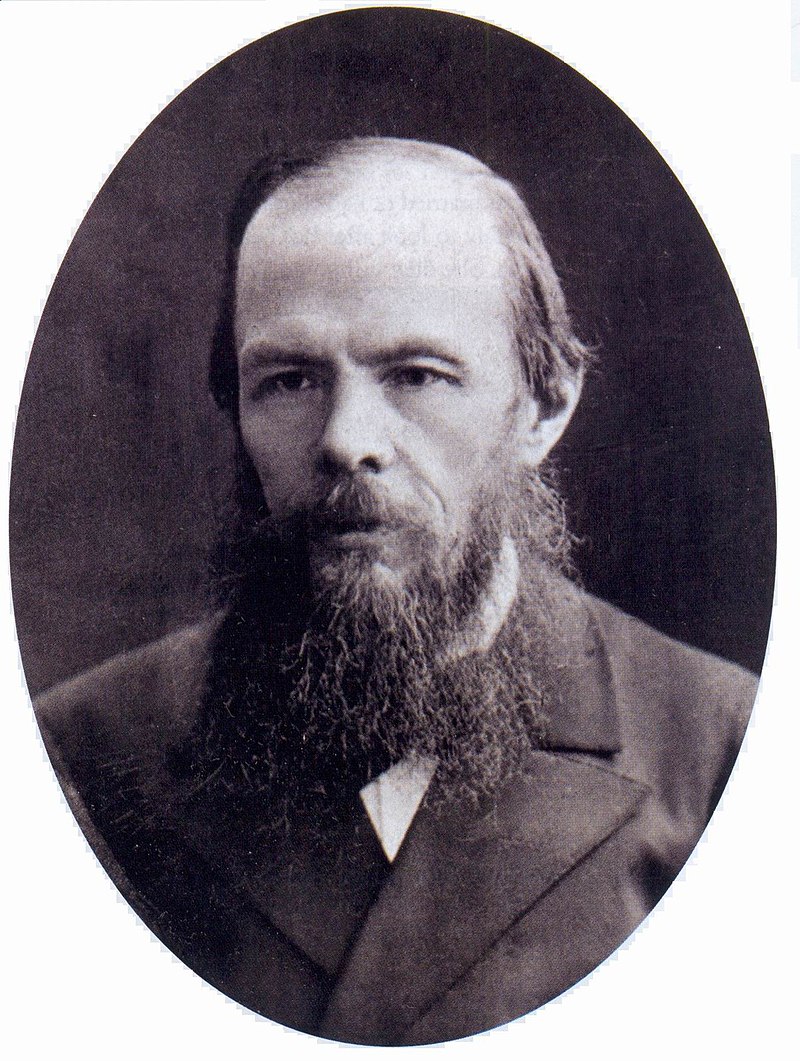
The Double,' a novella by Russian author Fyodor Dostoevsky, was published in full for the first time. Dostoevsky already known for his profound psychological insight, delivered a narrative exploring themes of identity, existential anxiety, and the fragility of the human psyche. The story revolves around Yakov Petrovich Golyadkin, a government clerk in St. Petersburg, whose life spirals into chaos when an exact double of himself appears. This doppelgänger progressively assumes control over Golyadkin's existence, leading him to question his own sanity.
The novella is considered an early exploration of what would become Dostoevsky's hallmark themes. Its publication marked a contribution to Russian literature, demonstrating the author's evolving literary style and the psychological depth that would define his later works. Despite mixed reviews at the time, with some readers finding the narrative structure and themes perplexing, critics noted Dostoevsky's ability to capture the complexities of human nature.
'The Double' laid the groundwork for Dostoevsky's subsequent novels, which delved deeper into the human condition, morality, and societal pressures. Though it did not achieve immediate acclaim, the novella's impact was recognized later as pivotal in understanding Dostoevsky's development as a writer.
Publications and literary discussions following the release of 'The Double' contributed to the ongoing dialogue about mental health and identity within Russian society. The novella's focus on these issues prefigured the broader debates on psychological matters that would emerge more prominently in the following decades.
#Literature #FyodorDostoevsky #RussianLiterature #PsychologicalExploration #IdentityCrisis #MoofLife
Primary Reference
The Double: Two Versions: Fyodor M. Dostoevsky, Evelyn Harden ...
Explore the Life Moments of
 AI Twin