Dostoevsky's Response to Accusations of Antisemitism: Clarifying Intent and Addressing Criticism.
Russia
Literature
Social Commentary
4 min read
Updated By: History Editorial Network (HEN)
Published:
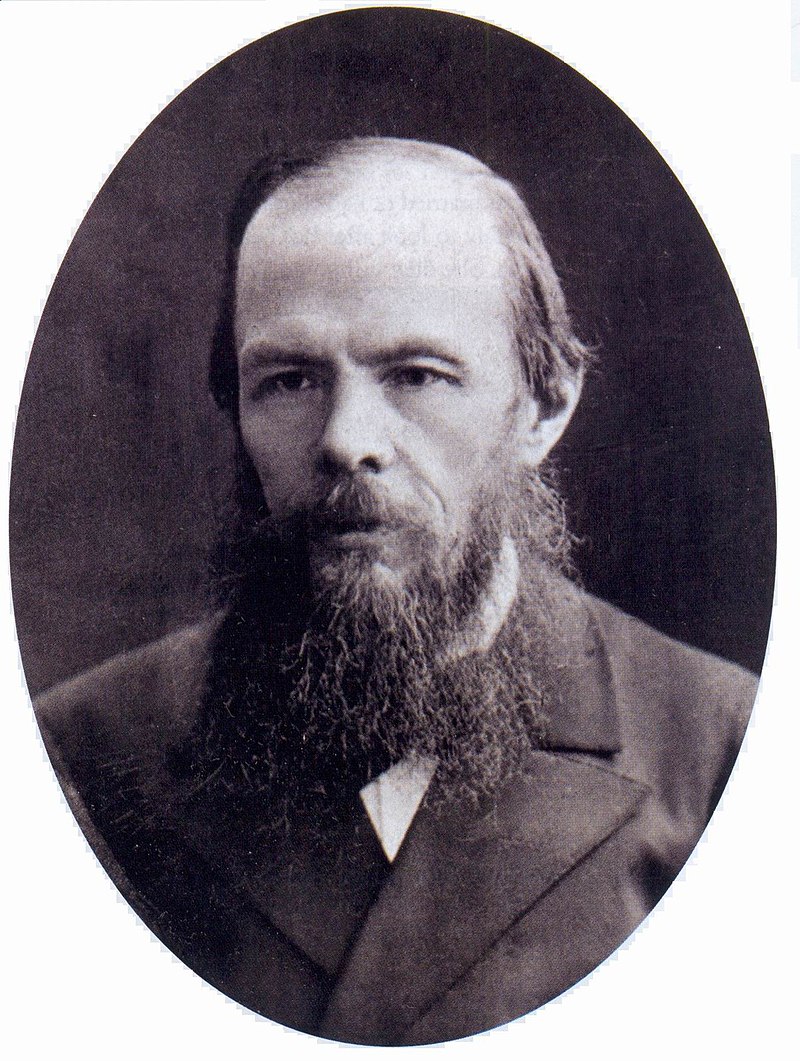
Fyodor Dostoevsky, a notable Russian novelist, responded to accusations of antisemitism in a letter to Arkady Kovner. Kovner, a Jewish intellectual, had critiqued Dostoevsky's portrayal of Jews in his works. In response, Dostoevsky aimed to clarify his stance on Jewish people and address the widespread criticism.
Dostoevsky's literary works often included complex social and political themes, and his depiction of various ethnic and religious groups drew significant attention. Some interpretations of his writings suggested antisemitic undertones, leading to controversy. Kovner's criticism represented a broader concern among Jewish communities regarding Dostoevsky's influence and the perceptions his readers might develop.
In his letter, Dostoevsky emphasized his respect for Jews as individuals and clarified that his criticisms were directed at societal behaviors rather than the Jewish faith or ethnicity. He argued that his intent was to critique specific aspects of society, striving to reflect reality as he saw it. Dostoevsky also dismissed accusations of hatred, expressing a desire for clearer understanding and dialogue.
The exchange between Dostoevsky and Kovner highlighted the tension between literary expression and societal perceptions. It underscored the challenges authors face in addressing sensitive issues and the potential impact of their works on various communities' sentiments.
This incident had broader implications for literary criticism and discourse on ethnic and religious representation. It contributed to ongoing debates about the responsibilities of writers and the power of literature in shaping public opinion.
#MoofLife #LiteraryLegacy #SocialCriticism #CulturalDialogue #FyodorDostoevsky
Primary Reference
We Call upon the Author
Explore the Life Moments of
 AI Twin