Dostoevsky's Limerick: Insights into "The Brothers Karamazov"
Russia
Literature
Personal Context
4 min read
Updated By: History Editorial Network (HEN)
Published:
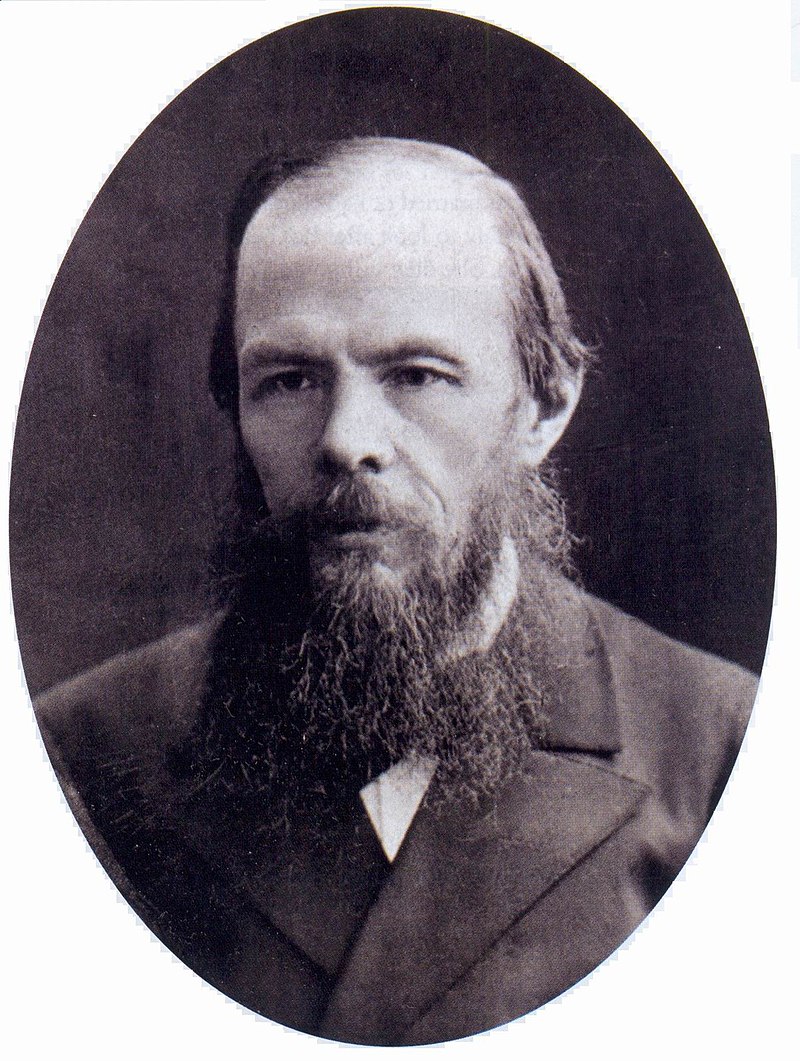
Fyodor Dostoevsky, while working on his novel "The Brothers Karamazov," scribbled a limerick titled "Do Not Steal, Fedul." This curious addition in his notebook became a point of interest for literary scholars, offering insight into Dostoevsky's personal life and family dynamics. It was during this period that Dostoevsky immersed himself in the complex and often dark world of the Karamazov family, reflecting broader themes of faith, free will, and morality.
The limerick, seemingly a light-hearted deviation from the intensity of his primary narrative, reveals a glimpse of the author's interaction with his domestic environment. Dostoevsky's household, marked by financial difficulties and health struggles, often influenced the thematic undertones of his writings. The playful nature of the limerick contrasts sharply with the somber themes of his novel, showcasing his multifaceted personality.
Examining this limerick provides a deeper understanding of Dostoevsky's literary process and personal life. It demonstrates how even brief, seemingly trivial writings can offer valuable context on the author's state of mind. Researchers view this as an example of how personal experiences permeated his work, reflecting the daily realities that shaped his narrative style.
The inclusion of such an element in his notebook underscores the intricate relationship between Dostoevsky's life and his art. It enriches the study of "The Brothers Karamazov," highlighting the human aspects behind the creation of one of literature's profound works.
#FyodorDostoevsky #LiteraryHistory #TheBrothersKaramazov #DoNotStealFedul #MoofLife
Explore the Life Moments of
 AI Twin