Dostoevsky's Imprisonment: Transformative Study of New Testament Influences Literary Work
Russia
Literature
Faith
3 min read
Updated By: History Editorial Network (HEN)
Published:
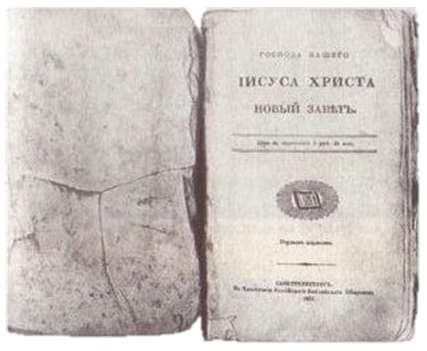
Fyodor Dostoevsky, a Russian novelist, faced imprisonment in Omsk, Siberia, after being arrested for his involvement in the Petrashevsky Circle, a group that discussed banned socialist ideas. While serving his sentence, Dostoevsky had access to one book: the New Testament. Amid the harsh conditions of the labor camp, he dedicated his focus to studying the figure of Christ and the teachings within the New Testament. This intellectual and spiritual engagement profoundly influenced his worldview and literary work.
Dostoevsky's examination of the New Testament during his imprisonment played a crucial role in shaping his philosophical outlook and future writings. The themes of redemption, compassion, and the moral dilemmas faced by individuals became prevalent in his later novels, such as "Crime and Punishment" and "The Brothers Karamazov." His incarceration and the exclusive access to the New Testament significantly impacted his interpretation of human nature and spirituality.
The period in Omsk and his concentrated study on the New Testament left a lasting imprint on Dostoevsky's thought process. He emerged from prison with a renewed perspective on faith, suffering, and the human condition. This transformation was reflected in his subsequent literature, which delved deeply into the complexities of morality, religion, and existential inquiry.
#FyodorDostoevsky #Christ #NewTestament #Literature #Faith #Philosophy #MoofLife
Primary Reference
Fyodor Dostoevsky - Wikipedia
Explore the Life Moments of
 AI Twin