Dostoevsky's Impactful "Uncle's Dream" in Russian Literature
Russia
Literature
4 min read
Updated By: History Editorial Network (HEN)
Published:
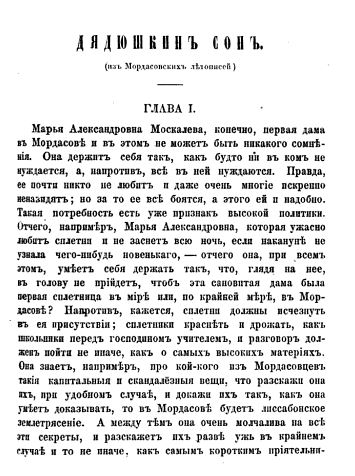
Fyodor Dostoevsky's novella "Uncle's Dream" was first made available to readers when it was published in The Russian Word, a prominent literary magazine during the 19th century. The publication came at a time when Dostoevsky's literary career was marked by both profound upheavals and significant creative output.
"Uncle's Dream" reflects Dostoevsky's exploration of social and psychological themes, emphasizing the complexities of human nature. This novella, like many of his works, delves into the nuances of Russian society, providing commentary on the behaviors and motivations of its characters. The publication in The Russian Word allowed Dostoevsky's writing to reach an extensive audience, contributing to the broader dialogue within Russian literary circles.
The impact of "Uncle's Dream" is notable, as it showcased Dostoevsky's evolving narrative style and thematic concerns. It also helped cement his reputation as a significant figure in Russian literature. The Russian Word, known for its literary contributions, presented Dostoevsky's novella to readers who were keen to engage with contemporary Russian thought and culture.
By reaching a wide readership, "Uncle's Dream" played a role in establishing Dostoevsky's position among his literary peers. His ability to articulate the intricacies of human experience resonated with the audience, contributing to the ongoing appreciation of his work in literary history.
#Dostoevsky #RussianLiterature #UnclesDream #LiteraryHistory #MoofLife
Primary Reference
Uncle's Dream - Wikipedia
Explore the Life Moments of
 AI Twin