Dostoevsky's Hegel Translation Project: Intersecting Russian Literature and European Philosophy
Russia
Literature
Philosophy
3 min read
Updated By: History Editorial Network (HEN)
Published:
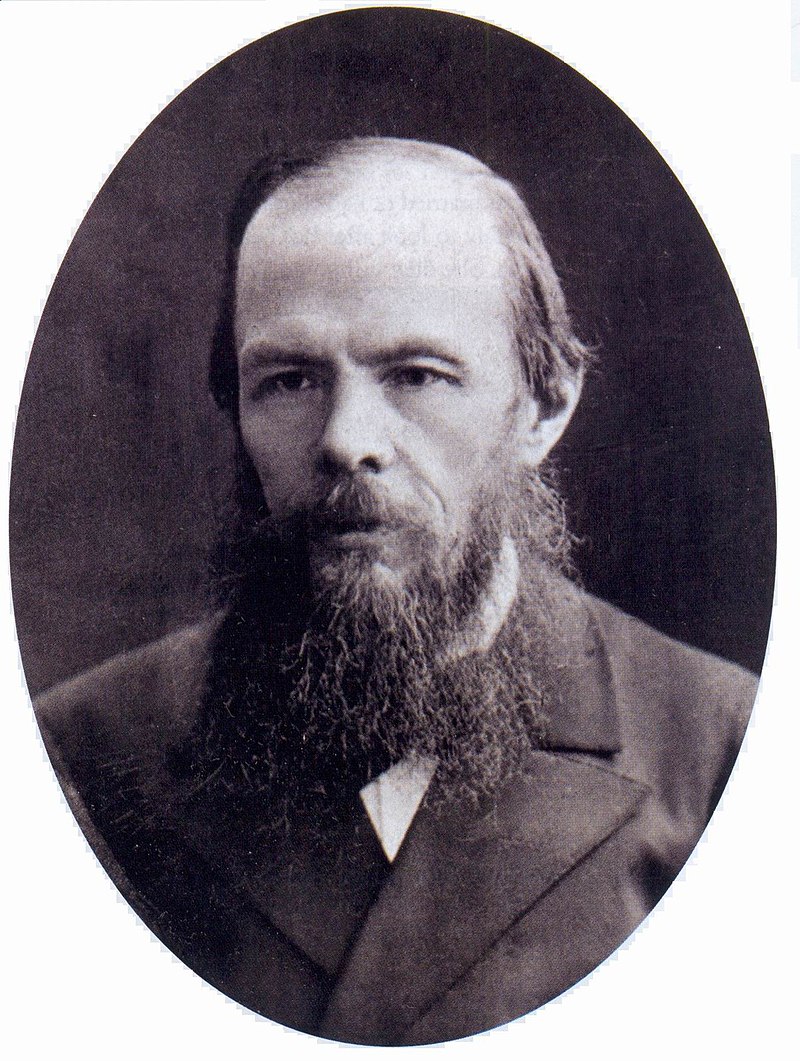
Fyodor Dostoevsky, during a period of enforced military service in Semipalatinsk, engaged in intellectual collaboration with Baron Alexander von Wrangel. Dostoevsky, a Russian novelist and philosopher, expressed interest in translating "Lectures on the History of Philosophy" by Georg Wilhelm Friedrich Hegel. This book, detailing the progression of philosophical thought through history, was a significant work of German Idealism.
Dostoevsky's proposal to undertake the translation project with Wrangel, a friend and admirer of his work, demonstrated his deep engagement with European philosophical ideas. Hegel’s lectures, delivered between 1805 and 1830, covered ancient to modern philosophy, emphasizing dialectics and historical development. Dostoevsky’s intent to translate them suggests a desire to make complex philosophical concepts accessible to a Russian-speaking audience, potentially bridging intellectual traditions.
This collaboration represented a remarkable intersection of Russian literature and European philosophy. Although the project never reached fruition, the proposal highlighted Dostoevsky’s broad intellectual pursuits beyond his literary achievements. It underscored his interest in integrating philosophical and existential inquiries into his literary work, themes evident in his later novels.
#FyodorDostoevsky #Philosophy #Hegel #Translation #LiteraryHistory #MoofLife
Explore the Life Moments of
 AI Twin