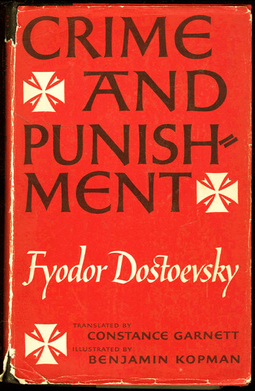
Dostoevsky's "Crime and Punishment" publication revolutionized Russian literature and societal discussions.
Russia

Literature
Psychological Realism
4 min read
Updated By: History Editorial Network (HEN)
Published:
Fyodor Dostoevsky's novel "Crime and Punishment" marked a pivotal development when its first part appeared in "The Russian Messenger." This event positioned Dostoevsky prominently in Russian literature. Prior to this publication, Dostoevsky faced personal and financial difficulties, including time spent in Siberian exile and extensive debts due to gambling. These experiences informed his intense literary exploration of human psychology and social conditions.
"Crime and Punishment" delves into the moral dilemmas of Raskolnikov, a former student, who commits a murder. This novel is structured as part of a serial publication, a common practice, enabling readers to engage with the story incrementally. The widespread circulation of "The Russian Messenger" provided significant exposure, resonating strongly with readers and critics alike.
The impact of this publication extended beyond literary circles. It sparked discussions on contemporary legal and ethical issues, reflecting the socio-political climate of the time. Dostoevsky's exploration of guilt, redemption, and the human condition played a key role in strengthening psychological realism in literature.
This moment also marked a logistical triumph for literary distribution, reaching diverse regional readerships. The serialization contributed to the novel's accessibility, paving the way for future works by Dostoevsky and influencing other writers in the realist tradition.
#Publication #Literature #RussianMessenger #FyodorDostoevsky #CrimeAndPunishment #History #MoofLife
Primary Reference
Crime and Punishment - Wikipedia

Explore the Life Moments of
 AI Twin