Dostoevsky's "A Little Hero" in "Notes of the Fatherland": Insight into emerging talent.
Russia
Literature
4 min read
Updated By: History Editorial Network (HEN)
Published:
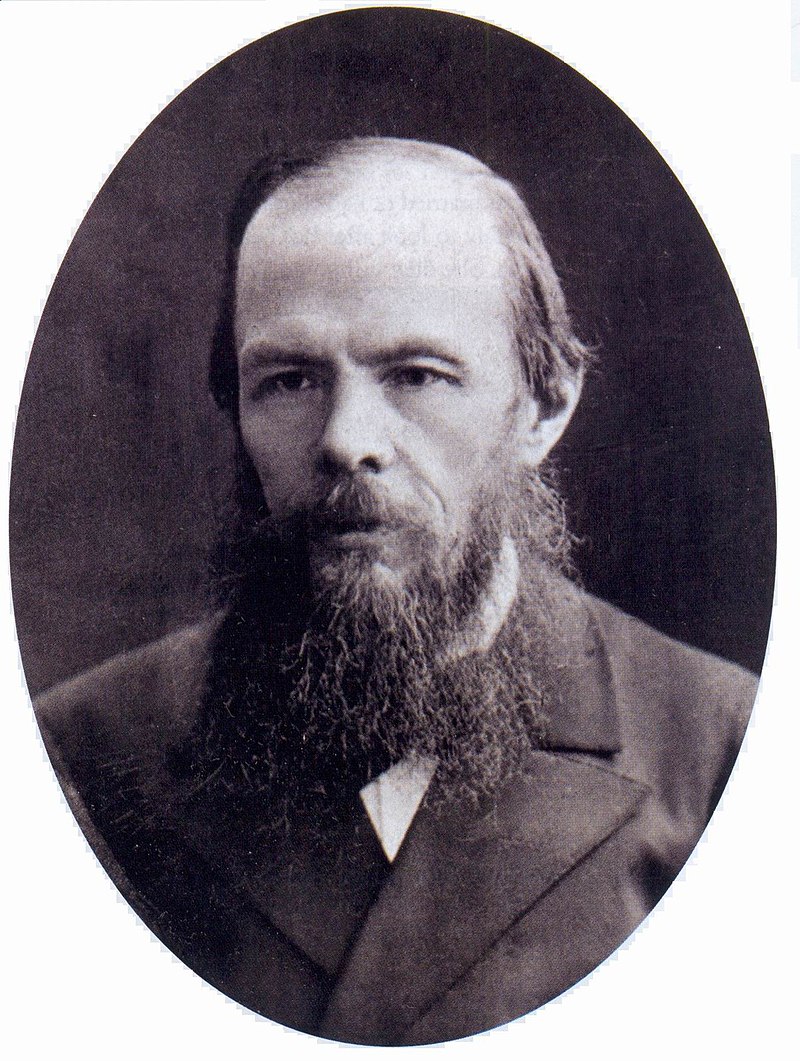
Fyodor Dostoevsky's "A Little Hero" was first published in "Notes of the Fatherland," a prominent Russian literary journal. At this time, Dostoevsky was already emerging as a significant figure in Russian literature. "A Little Hero" is a novella that delves into the inner life of a boy at a summer estate, providing early insights into Dostoevsky's ability to explore the human psyche.
The publication marked an essential phase in Dostoevsky's career. He had been involved in literary circles and had faced criticism and censorship due to his association with the Petrashevsky Circle, a group of intellectuals with progressive ideas. Despite these challenges, his work continued to gain recognition. "Notes of the Fatherland" offered a platform that reached a wide readership, enhancing Dostoevsky's profile among literary peers and the general public.
The novella, though not as widely studied as Dostoevsky's later works, showcases his evolving narrative style. It reflects themes of innocence, observation, and the subtleties of human emotions, which would later become central to his masterpieces. The reception of "A Little Hero" contributed to establishing Dostoevsky's reputation as a writer who could probe into the complexities of character and society.
Statistics on the journal's circulation provide insights into its impact on Dostoevsky's visibility. "Notes of the Fatherland" enjoyed a broad distribution, which meant that Dostoevsky's work reached a significant number of readers across Russia. This increased exposure helped pave the way for his subsequent works that would eventually place him among the giants of Russian literature.
#FyodorDostoevsky #RussianLiterature #ALittleHero #NotesOfTheFatherland #MoofLife
Explore the Life Moments of
 AI Twin