Delayed honeymoon in Germany shapes Dostoevsky's life and literary career.
Russia
Biography
Literature
4 min read
Updated By: History Editorial Network (HEN)
Published:
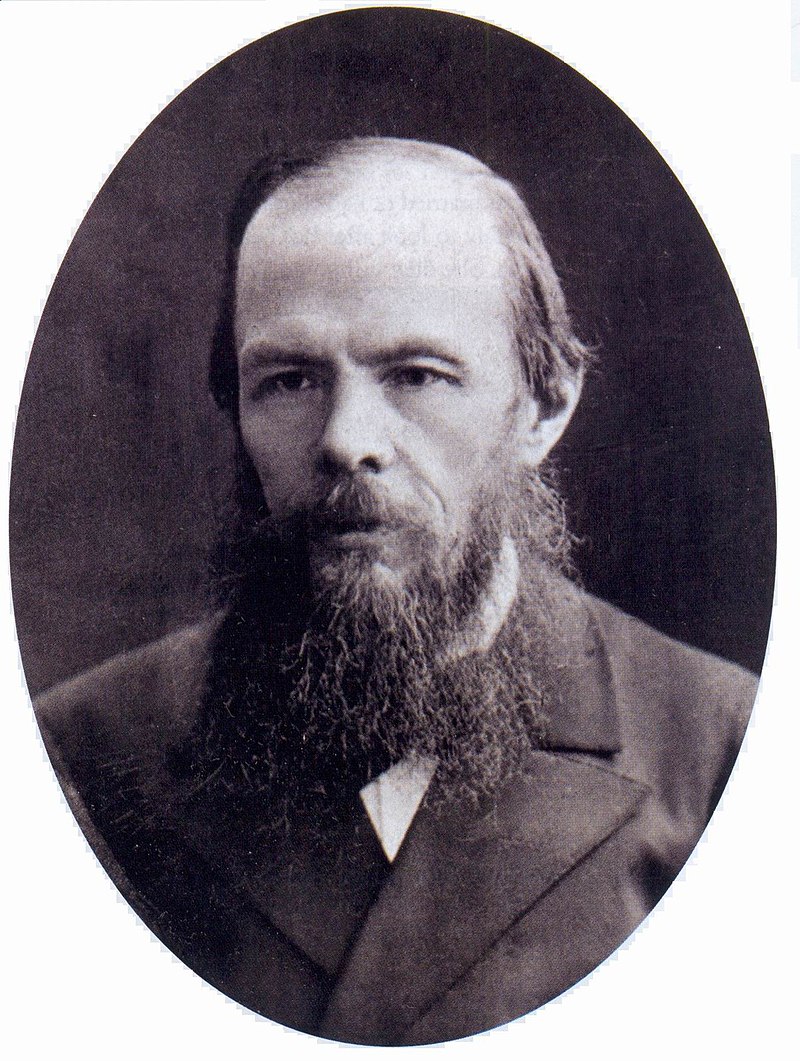
Fyodor Dostoevsky, the Russian novelist, and his second wife, Anna Snitkina, commenced their delayed honeymoon in Germany. Dostoevsky, known for works such as "Crime and Punishment" and "The Idiot," had married Anna, his stenographer, following his first wife's death and a challenging period marked by financial difficulties and personal loss. The couple had initially postponed their honeymoon due to Dostoevsky's ongoing financial troubles and his need to complete various literary projects.
The journey to Germany offered both a respite and an opportunity for Dostoevsky to seek relief for his long-standing issues with epilepsy. The couple's itinerary included cities like Baden-Baden, where Dostoevsky's chronic gambling issues resurfaced. Despite this, Anna managed to maintain a meticulous record of their expenses, demonstrating her role as a stabilizing force in Dostoevsky's life.
Their time in Germany was not only significant for personal reasons but also influenced Dostoevsky's later works. The experiences and the people they encountered during this period fed into the thematic and character developments of his future novels. Anna's presence provided emotional and financial support, ensuring Dostoevsky could continue his writing without the overbearing pressure of immediate financial ruin.
This period marked the beginning of a more stable and productive phase in Dostoevsky's career. Although the honeymoon was riddled with challenges, it represented a much-needed change of environment and a strengthening of Dostoevsky's partnership with Anna, which would prove crucial in the years to come.
#MoofLife #FyodorDostoevsky #AnnaSnitkina #LiteraryLife #Honeymoon #Germany #Epilepsy #Gambling #RussianLiterature #19thCenturyHistory
Primary Reference
Fyodor Dostoevsky | Kroopapedia Wiki | Fandom
Explore the Life Moments of
 AI Twin