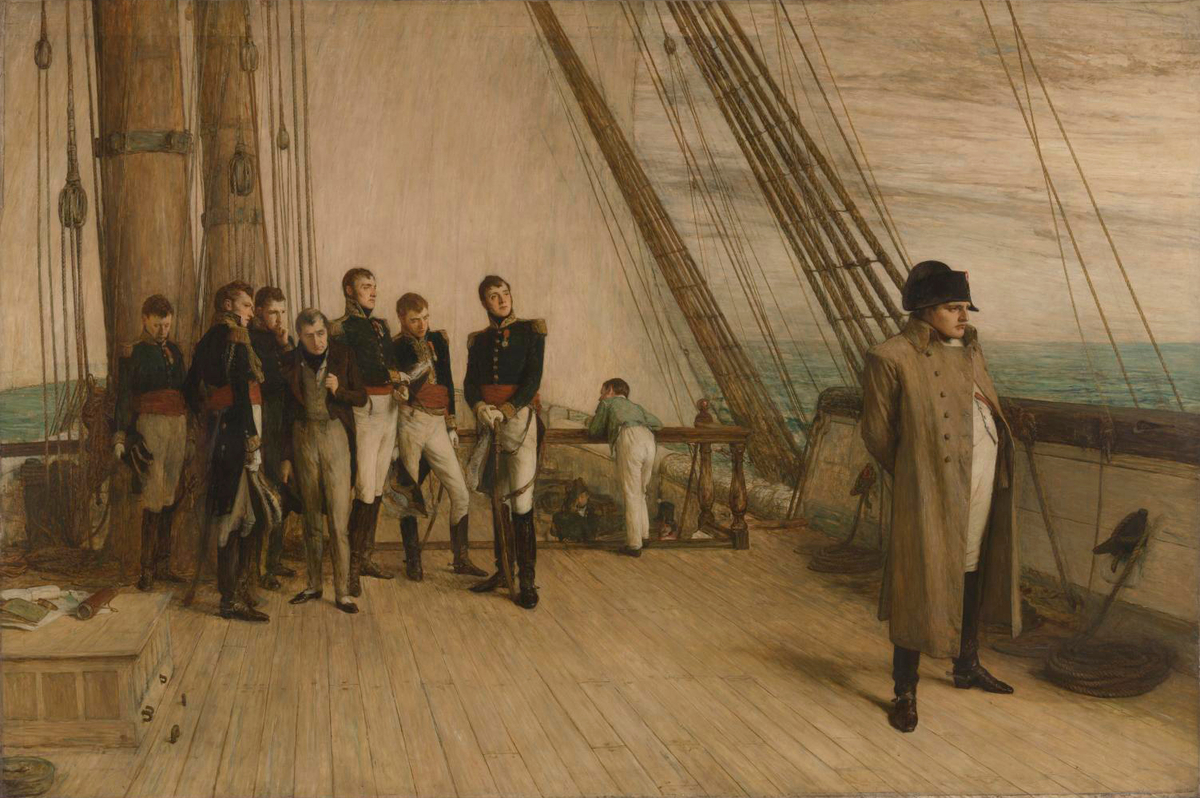
Napoleon overthrown after military defeats
France
Historical Figures
Military History
European History
3 min read
Updated By: History Editorial Network (HEN)
Published:
Updated:
Napoleon Bonaparte faced multiple military defeats during the Napoleonic Wars, which ultimately led to his overthrow. His initial rise to power was marked by a series of successful campaigns across Europe, establishing him as a dominant military leader. However, the tide began to turn with the disastrous invasion of Russia, where harsh winter conditions and logistical failures resulted in significant losses for the French army. This defeat weakened Napoleon's position and emboldened his enemies, leading to a coalition of European powers uniting against him. The subsequent battles, including the decisive defeat at Waterloo, culminated in his abdication and exile. Following his overthrow, France experienced a shift in governance, transitioning from the Napoleonic regime to the Bourbon Restoration, which reinstated the monarchy under the rule of Louis XVI's brothers. This period marked a significant change in French politics, as the country grappled with the consequences of the Napoleonic Wars and the desire for stability amidst ongoing political turmoil. The Bourbon Restoration was characterized by attempts to restore the monarchy's authority while navigating the complexities of a nation that had undergone profound changes during the revolutionary and Napoleonic eras. The July Monarchy later emerged, led by Louis Philippe I, reflecting the evolving political landscape in France as it sought to balance royal authority with the demands of a changing society.
#mooflife
#MomentOfLife
#NapoleonBonaparte
#NapoleonicWars
#MilitaryDefeats
#BourbonRestoration
#FrenchPolitics
Primary Reference
Napoleon's second abdication

Explore the Life Moments of
 AI Twin