Napoleon III Declared Emperor of the French
France
Politics
Biography
4 min read
Updated By: History Editorial Network (HEN)
Published:
Updated:
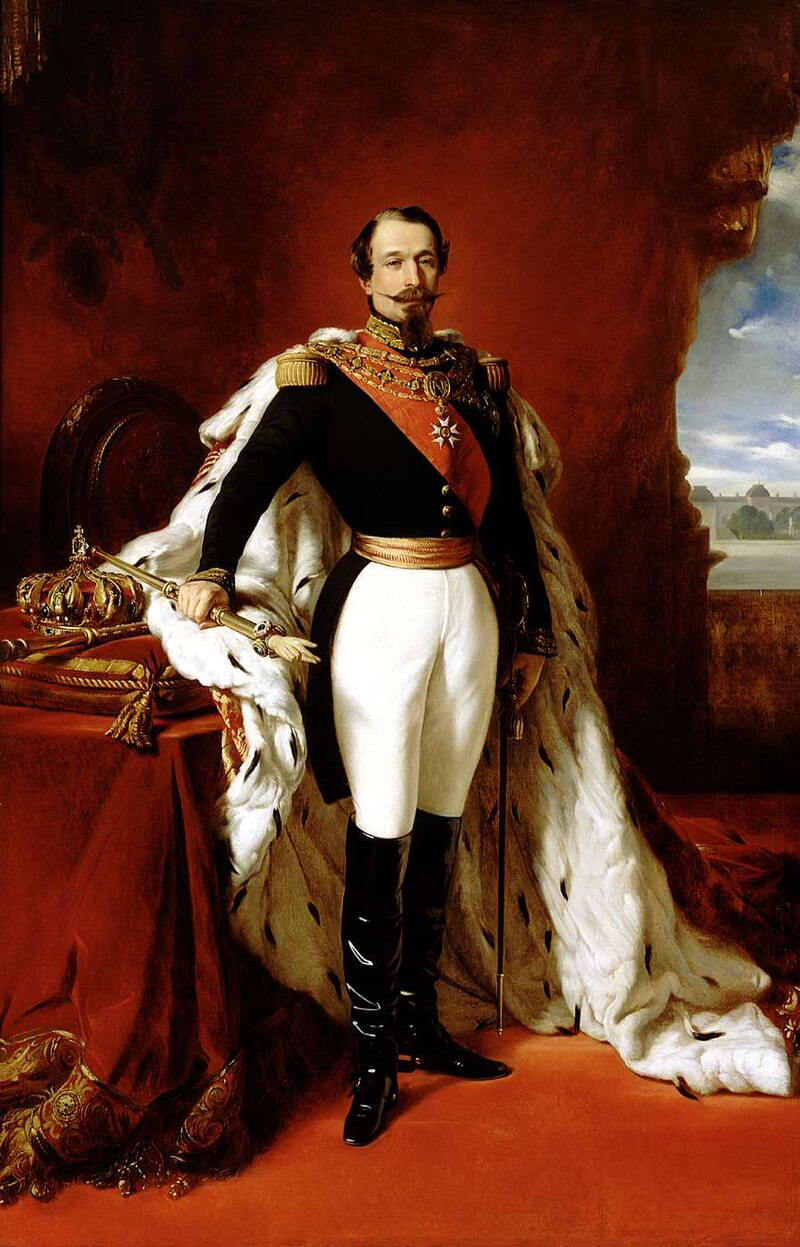
The transition from the French Second Republic to the establishment of the Second Empire marked a pivotal shift in France's political landscape. Charles-Louis-Napoléon Bonaparte, who had been elected as the president of the French Second Republic, sought to consolidate power and stabilize the nation amidst political turmoil and social unrest. His presidency was characterized by efforts to address economic challenges and maintain order, but dissatisfaction with the republic's governance led to increasing support for a more authoritative regime. In this context, Bonaparte leveraged his popularity and the desire for strong leadership to declare himself Emperor of the French, adopting the title Napoleon III. This declaration was not merely a personal ambition; it reflected a broader desire among segments of the French populace for a return to imperial glory and stability after years of revolutionary upheaval.
The impact of Napoleon III's declaration was profound, as it initiated a new era in French history. The establishment of the Second Empire allowed for significant changes in governance, including the centralization of power and the implementation of various modernization projects. Napoleon III's regime focused on industrialization, urban development, and the expansion of the French economy, which contributed to a period of relative prosperity. However, his rule also faced criticism and opposition, particularly regarding his foreign policy decisions and the eventual military conflicts that would arise. The declaration of the empire not only altered the political structure of France but also set the stage for future conflicts and the eventual downfall of the Second Empire, illustrating the complexities of governance and the challenges of maintaining authority in a rapidly changing society.
#mooflife
#MomentOfLife
#NapoleonIii
#FrenchSecondRepublic
#SecondEmpire
#Charles-louis-napoléonBonaparte
#FrenchHistory
Primary Reference
Napoleon III
Explore the Life Moments of
 AI Twin