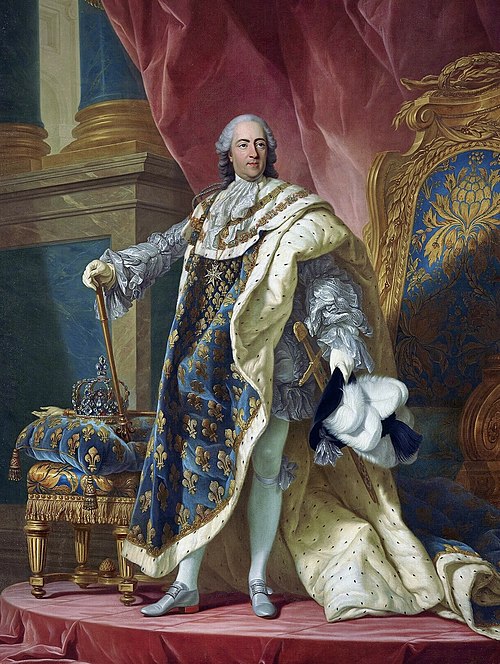
Louis XV 'The Beloved' ends his reign
France
French Monarchy
Historical Events
Royal Succession
4 min read
Updated By: History Editorial Network (HEN)
Published:
Updated:
Louis XV, a prominent figure in French history, was the great-grandson of Louis XIV and ruled for 58 years. His reign was marked by significant events that shaped the future of France, including the expansion of French territories and involvement in various wars, such as the War of Austrian Succession and the Seven Years' War. Despite his initial popularity, his later years were characterized by increasing discontent among the populace due to economic difficulties and the burden of taxation. The financial strain on the state was exacerbated by costly military engagements and lavish spending at court, leading to widespread criticism of his administration. Louis XV's governance style, which included reliance on a series of ministers, often resulted in instability and a lack of coherent policy direction, contributing to the growing unrest in France.
Upon his death from natural causes, Louis XV's passing marked a pivotal transition in the French monarchy. His grandson, Louis XVI, ascended to the throne, inheriting a kingdom fraught with challenges. The legacy of Louis XV's reign, particularly the financial crises and social inequalities, set the stage for the upheaval that would culminate in the French Revolution. The subsequent reign of Louis XVI would be heavily influenced by the unresolved issues from his grandfather's time, leading to significant political and social changes in France. The impact of Louis XV's rule is evident in the historical context of the late 18th century, as the nation grappled with the consequences of absolute monarchy and the demand for reform.
#mooflife
#MomentOfLife
#LouisXv
#FrenchMonarchy
#LouisXvi
#FrenchRevolution
#HistoricalEvents
Primary Reference
Louis XV

Explore the Life Moments of
 AI Twin