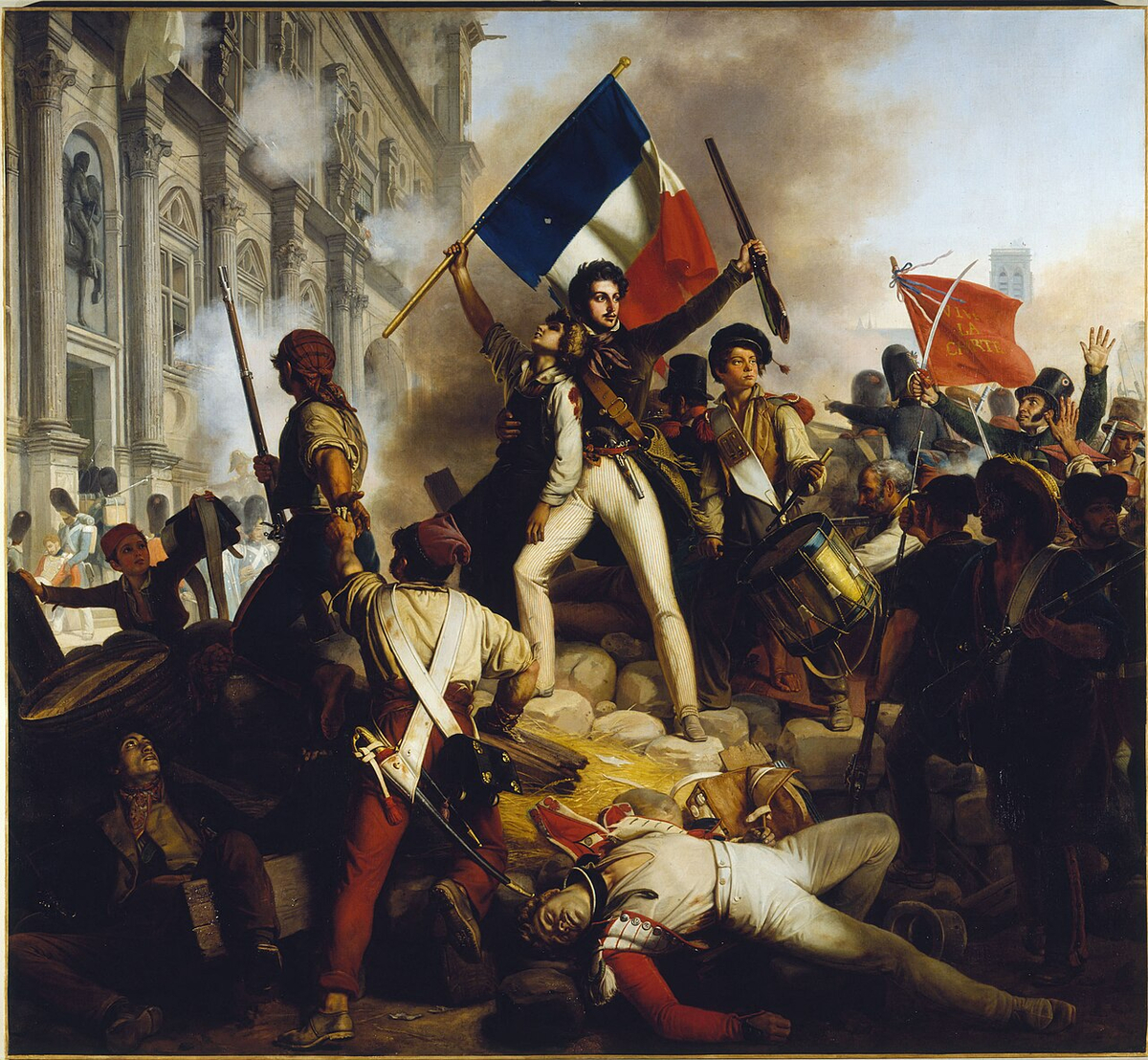
End of Bourbon Restoration and July Revolution
France
Politics
3 min read
Updated By: History Editorial Network (HEN)
Published:
Updated:
The Bourbon Restoration, which aimed to reinstate the monarchy in France after the fall of Napoleon, came to an end with the July Revolution. This uprising was primarily fueled by widespread discontent with the conservative policies of King Charles X, who sought to strengthen the monarchy and limit civil liberties. His actions, including the dissolution of the Chamber of Deputies and the imposition of restrictive press laws, ignited public outrage. The revolution led to significant unrest in Paris, where citizens took to the streets, ultimately forcing Charles X to abdicate. In the aftermath, Louis Philippe I, a distant cousin of Charles X, was installed as the new king. He was perceived as more liberal and was expected to implement reforms that would address the grievances of the populace. However, the transition was not without controversy; Charles X's son, Louis, renounced his claim to the throne after a brief dispute with his father, and due to never being crowned, his legitimacy as a king was questioned. Additionally, Louis's nephew, Henry, was also viewed by some as a potential monarch, but the new regime did not recognize his claim, leaving him without a throne.
#mooflife
#MomentOfLife
#BourbonRestoration
#JulyRevolution
#CharlesX
#LouisPhilippeI
#FrenchMonarchy
Primary Reference
July Revolution

Explore the Life Moments of
 AI Twin