Charles IV's Reign and Legacy
France
Monarchy
Medieval
4 min read
Updated By: History Editorial Network (HEN)
Published:
Updated:
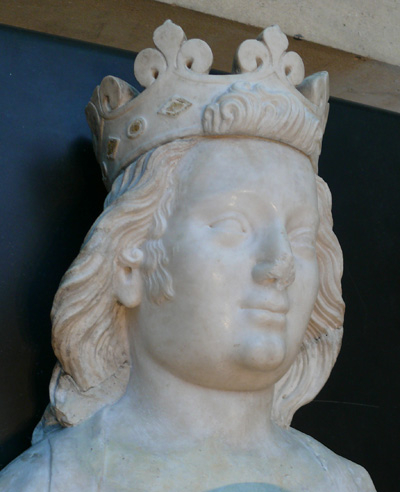
Charles IV, known as 'the Fair', was a significant figure in the history of France and Navarre. He was born into the Capetian dynasty, being the son of Philip IV and the younger brother of Philip V. His reign as King of Navarre began when he ascended the throne, and he ruled until his death. Charles IV's tenure was marked by the challenges of maintaining the Capetian legacy, particularly as he faced the complexities of succession. His death at the age of 34 had profound implications for the monarchy, as he left no male heir. This absence of a direct successor led to the end of the direct line of the Capetians, a pivotal moment that would alter the course of French royal history. The Capetian dynasty had been a dominant force in France, and the conclusion of this line initiated a period of uncertainty regarding the future of the French crown.
The impact of Charles IV's reign and subsequent death was felt across the political landscape of France and Navarre. The lack of a male heir created a power vacuum that prompted a succession crisis, leading to the eventual rise of other branches of the Capetian family. This transition was crucial as it set the stage for future conflicts and the eventual emergence of the Valois dynasty. The end of the direct Capetian line also influenced the feudal structure and alliances within France, as noble families vied for power and influence in the absence of a clear royal successor. The legacy of Charles IV, therefore, is not only defined by his brief reign but also by the significant shifts in the monarchy and the broader implications for French history that followed his death.
#mooflife
#MomentOfLife
#CharlesIv
#CapetianDynasty
#FrenchMonarchy
#Navarre
#HistoricalImpact
Primary Reference
Charles IV of France

Explore the Life Moments of
 AI Twin