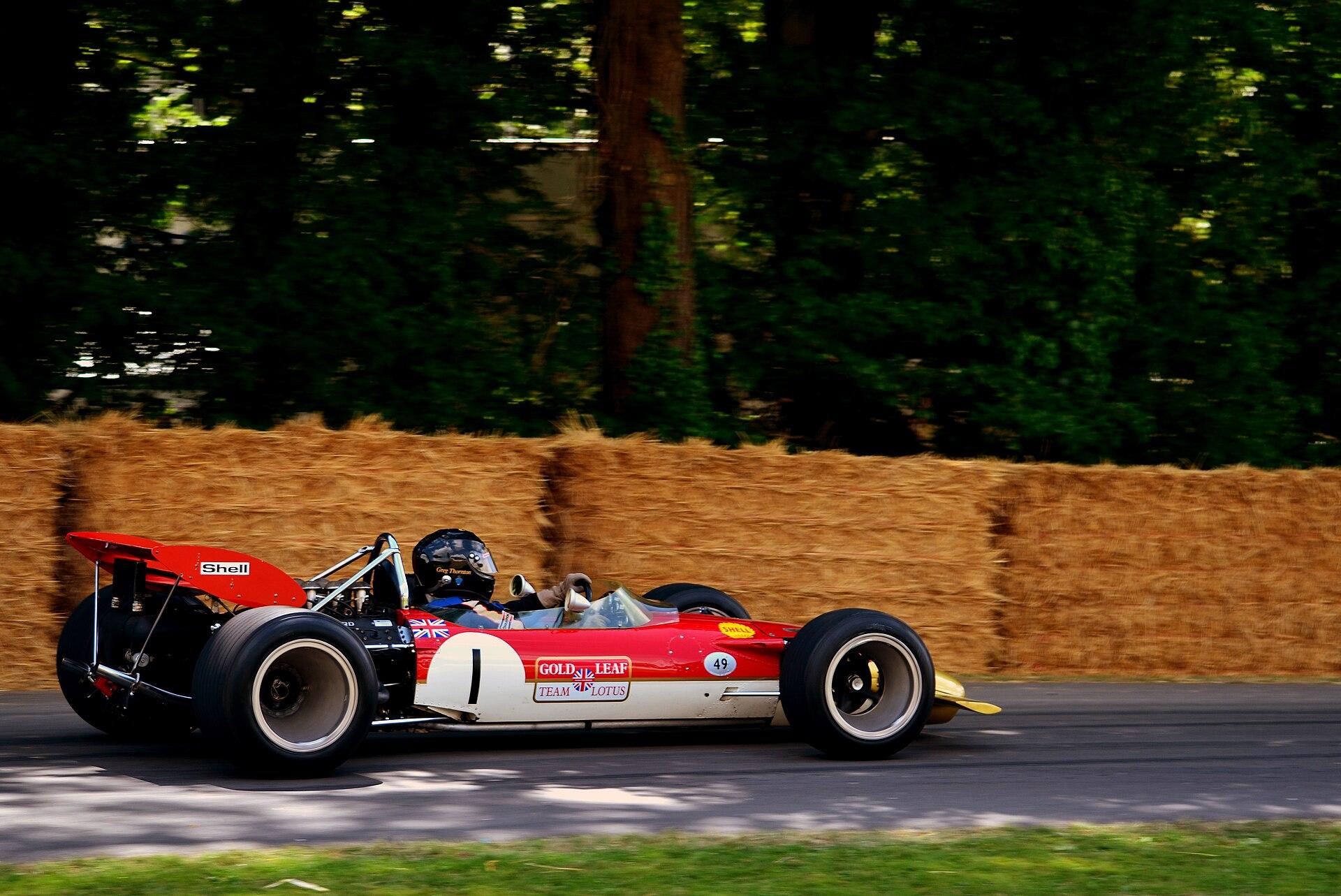
1968 Formula One season
England
Sports
Motorsport
FIA
3 min read
Updated By: History Editorial Network (HEN)
Published:
Updated:
The 1968 Formula One World Championship was a revolutionary season that transformed the sport both technically and culturally. It was contested over 12 races and is remembered for introducing two major changes that shaped modern Formula One: the adoption of commercial sponsorship liveries on cars and the first widespread use of aerodynamic wings. Lotus, led by Colin Chapman, pioneered these innovations with the Lotus 49, most famously when they unveiled the green-and-yellow Gold Leaf Team Lotus car at the Spanish Grand Prix, marking the beginning of Formula One’s commercial era.
On the track, the season was defined by fierce competition and tragedy. Graham Hill rose to the challenge for Lotus following the death of his teammate and close friend, Jim Clark, who was killed in a Formula 2 race in April. Hill’s consistency and resilience carried him to his second Drivers’ Championship, while Lotus secured the Constructors’ title. Jackie Stewart also emerged as a major force, winning several races and laying the groundwork for his future dominance. Despite the heartbreak and dangers that still haunted the sport, the 1968 season represented a turning point, blending innovation, sponsorship, and star drivers into a formula that began to resemble modern F1.
\#MomentsOfLife #MoofLife\_Moment #MoofLife #FormulaOne #F1History #GrahamHill #JimClark #JackieStewart #Lotus #RacingLegends #F1Classics
#mooflife
#MomentOfLife
#FiaRegulations
#UnrestrictedSponsorship
#FormulaOne
#TeamGunston
#MotorsportSponsorship
Primary Reference
1968 Formula One season

Explore the Life Moments of
 AI Twin